

- October's Temperature Whiplash: What Your Underwear Has to Handle
- Fall transition weather creates microclimates under your clothes
- All-day movement means sweat, sitting, and sudden chills
- Build Your Base: Fabrics That Regulate From Frosty AMs to Sunny PMs
- Merino and merino blends deliver warmth without bulk plus odor control
- Modal, micro modal, and bamboo viscose for cloud-level softness
- Performance synthetics (nylon/poly) for fast-dry and sport days
- Cotton and cotton blends: when it works—and when it absolutely doesn't
- Fabric weights (GSM/oz) that breathe and insulate smartly
- Cut and Fit That Don't Quit When Temps Swing
- Boxer briefs vs trunks vs briefs: match the cut to the day
- Pouch design and seam mapping that stop chafe in its tracks
- Leg length and grip that stay put through the day
- Rise and waistband comfort under belts and midlayers
- The Midlayer Move: When to Add Tights, Long Johns, or Base Shorts
- Layering men's underwear for fall transition weather: core combos that work
- How to wear compression or thermal tights over underwear (and when to skip)
- Liner shorts vs underwear: gym-to-office without the fuss
- Temperature Control Without Bulk: Smarter Stacking Strategies
- The three-zone plan: groin, thighs, and lower back get priority
- Venting and swapping: discreet mid-day adjustments
- Avoiding over-insulation: know the red flags
- Odor and Moisture: Stay Fresh From 8 AM to After-Hours
- Antimicrobial tech that actually works (and what's hype)
- Moisture management hierarchy: wick, spread, evaporate
- Quick-dry routines at the office or on the road
- Outfit Pairings: Match Your Underwear System to What You Wear
- Under slim jeans, chinos, and suits: invisible, smooth, no lines
- With flannels, henleys, and overshirts: balance heat up top and down low
- Socks and undershirts that support the microclimate
- Scenario Playbooks for Real October Days
- Bike commute + office AC + patio happy hour
- Weekend tailgate + stadium seats + late-night walk
- Leaf-peeping road trip: minimal pack, maximum freshness
- Gym at lunch, client meeting at 2 PM
- Rainy, windy days: block chill without going swampy
- Skin Sensitivities and Comfort Non-Negotiables
- Wool "itch" myths, truths, and easy workarounds
- Seams, tags, and dyes that won't fight your skin
- Managing jock itch risk in shoulder-season humidity
- Fit and Sizing That Stay Put All Day
- Measure for the win: waist, seat, thighs, and rise
- Big thighs, small waist? Use stretch blends and gussets
- Zero ride-up, zero roll: lock in the foundation
- Care, Rotation, and Longevity for Your Fall Lineup
- Wash rules that protect wicking and stretch
- Drying and storage when the radiators kick on
- Rotation math: how many pairs do you actually need in October?
- Common Layering Mistakes—and the Smarter Swaps
- Doubling cotton on damp days is a confidence killer
- Over-compressing backfires on warmth and comfort
- Ignoring pant fabric creates friction and heat traps
- Budget, Sustainability, and Smart Drawer-Building
- Where to invest and where to save
- Lower-impact choices that still deliver performance
- Build a capsule drawer for the entire fall transition
- FAQs: Real Questions About October Underwear Layering
- Can you wear two pairs of underwear for extra warmth?
- Do thermal leggings replace underwear or go over it?
- Is merino safe for sensitive skin down there?
- How do I stop underwear from rolling under tights?
- What's the best underwear for sweaty commutes but cold offices?
- How many pairs should I pack for a 3-day October trip?
October's Temperature Whiplash: What Your Underwear Has to Handle
October doesn't ask permission before flipping from crisp 45-degree mornings to sweaty 70-degree afternoons, and your underwear absorbs every degree of that chaos. The first layer against your skin becomes mission control for comfort, managing moisture when you sprint to catch the train, insulating when you step outside for lunch, and breathing when you're back under fluorescent lights. Ignoring this dynamic is how confident mornings turn into clammy, distracted afternoons—and nobody has time for that.
Fall transition weather creates microclimates under your clothes
Between your body and the outside world sits a thermal ecosystem most guys never think about until it fails. October's swing temps mean your groin, inner thighs, and lower back cycle through humid warmth, dry chill, and back again multiple times a day. Layering jeans over static cotton traps heat during your commute, then locks in sweat when you sit at your desk. Meanwhile, that breezy walk to grab coffee at 8 AM feels drastically different by 3 PM when the sun's out and your waistband is damp. Premium underwear engineered with moisture-wicking panels and temperature-regulating fabrics adapts in real time, pulling vapor away before it clings and allowing airflow when your core heats up.
All-day movement means sweat, sitting, and sudden chills
Your day isn't static, and neither should your base layer be. You generate heat climbing stairs, cool down rapidly in air-conditioned conference rooms, then warm up again walking to dinner. Each shift stresses fabric differently: standing demands ventilation, sitting compresses and traps moisture, and moving generates friction that can chafe if your cut or seam construction isn't dialed. The right underwear anticipates this rhythm with ergonomic pouch design that prevents bunching, leg grips that stay put without cutting circulation, and fast-drying blends that reset between micro-sweats. October rewards the prepared—your confidence stays locked in when your foundation adapts as fast as the weather does.
Build Your Base: Fabrics That Regulate From Frosty AMs to Sunny PMs
The right fabric transforms your underwear from passive coverage into an active climate system that pivots with October's wild temperature swings. Instead of fighting the morning chill or trapping afternoon heat, smart textiles breathe, wick, and insulate in real time—so you stay locked in all-day confidence whether you're navigating a frosty commute or basking under an unexpectedly warm sun. Here's how to match fabric science to your October moves.
Merino and merino blends deliver warmth without bulk plus odor control
Merino wool is the secret weapon for fall transitions because its crimped fibers create microscopic air pockets that trap warmth when temps drop, yet release heat and moisture when you heat up indoors or start moving. Unlike traditional wool, superfine merino (17.5–19.5 micron) feels silky against your skin, never scratchy. The real magic? Natural antimicrobial lanolin residues keep odor at bay even after a full day of subway stairs, desk work, and evening drinks. Look for merino blends (often 50–70% merino with nylon or elastane) that add stretch and durability while preserving temperature regulation. These hybrids dry faster than pure merino and hold their shape through repeated washes, making them ideal for daily rotation in unpredictable October weather.
Modal, micro modal, and bamboo viscose for cloud-level softness
If your skin craves luxurious, breathable softness over performance tech, modal and bamboo-derived viscose deliver that hotel-sheet feel with impressive moisture management. Modal—especially micro modal with its finer filaments—wicks sweat efficiently and drapes without clinging, perfect for slim-fit pants or suits where you want zero visible lines. Bamboo viscose shares similar smoothness and naturally resists bacteria, though it can lose shape faster than modal if over-dried. Both fabrics shine on moderate October days when you're indoors most of the time but still need breathability during quick outdoor dashes. Pair them with tailored chinos or dark denim for a sleek, frictionless foundation that moves with you.
Performance synthetics (nylon/poly) for fast-dry and sport days
Nylon and polyester blends are your go-to when October means high-output activities—think bike commutes, lunchtime gym sessions, or spontaneous park runs before sunset. These engineered fabrics pull moisture away from your groin and thighs in seconds, spreading it across the garment's surface for rapid evaporation. Modern performance underwear often layers mesh zones or perforated panels in high-sweat areas, creating ventilation channels that prevent clamminess even when you're layering over them with tights or joggers. The trade-off? Synthetics can hold onto odor if you skip antimicrobial treatments, so rotate pairs frequently and wash promptly. Choose blends with at least 10–15% elastane for four-way stretch that won't bind during lunges, squats, or long strides across campus.
Cotton and cotton blends: when it works—and when it absolutely doesn't
Cotton gets a bad rap in performance circles, but pure cotton or cotton-rich blends (85% cotton, 15% elastane) can absolutely work on low-exertion, climate-controlled October days—think WFH Fridays or leisurely weekend coffee runs. Cotton breathes beautifully and feels familiar, but it absorbs moisture instead of wicking it away, so if you're commuting outdoors, hitting the gym, or facing unpredictable AC blasts followed by outdoor heat, cotton will leave you damp and chilled. The fix? Reserve cotton for lazy days and static environments, or choose cotton-modal hybrids that blend softness with better moisture transport. Never double up cotton layers on humid fall mornings—it's a recipe for swampy discomfort by noon.
Fabric weights (GSM/oz) that breathe and insulate smartly
Fabric weight, measured in grams per square meter (GSM) or ounces, directly controls how much insulation and breathability your underwear delivers. Lightweight fabrics (120–160 GSM) excel on warmer October afternoons or high-activity days, allowing maximum airflow and quick drying. Midweight options (160–200 GSM) strike the perfect balance for unpredictable days, offering gentle warmth without trapping heat when the sun breaks through. Heavyweight knits (200+ GSM) suit chilly mornings and evenings but can overwhelm you indoors unless paired with breathable outer layers. Check product specs or feel the fabric in-hand—thicker isn't always warmer if the weave is loose, and a dense, fine-gauge knit at lower GSM can insulate better than a bulky, open weave. Match weight to your day's tempo and layer strategically for seamless transitions.
Cut and Fit That Don't Quit When Temps Swing
The right silhouette is your first line of defense when October mornings start at forty-five and afternoons spike to seventy—because fabric means nothing if the cut shifts, bunches, or leaves you adjusting through the day. Choosing a style that mirrors your outfit rhythm and movement profile ensures your base layer stays locked, comfortable, and invisible from sunrise coffee runs to evening wind gusts.
Boxer briefs vs trunks vs briefs: match the cut to the day
Boxer briefs deliver full thigh coverage and work beautifully under slim jeans, chinos, or tailored trousers when you need a smooth line and zero ride-up during long commutes or layered office days. Trunks sit shorter on the leg—ideal for athletic fits, weekend errands, or when you're pairing them with thermal tights that handle the insulation load. Briefs shine on warmer October afternoons or gym-to-street scenarios where breathability and freedom trump coverage, especially under looser cuts like joggers or wide-leg denim. If your day includes multiple microclimates—say, a chilly bike ride, heated meetings, and outdoor happy hour—boxer briefs or trunks with performance blends give you the most versatility without sacrificing support or temperature regulation.
Pouch design and seam mapping that stop chafe in its tracks
Contoured pouch construction keeps everything comfortably centered and prevents friction when you're moving between sitting, standing, and walking all day. Look for anatomically mapped seams that curve away from high-contact zones—especially the inner thigh and centerline—so there's no irritation when fabrics compress under an extra layer or belt. Flatlock stitching lies completely flat against skin, a game-changer when you're stacking base layers or wearing tighter midlayers like compression shorts. Avoid center-front seams on days when you'll be active; side-seam or no-seam pouches eliminate that one nagging pressure point that turns a ten-hour day into a test of endurance.
Leg length and grip that stay put through the day
Leg bands with silicone grips or elasticized hems anchor your underwear exactly where you want it, preventing creep and roll during sit-stand cycles, stair climbs, or quick temperature-driven outfit adjustments. A four-to-six-inch inseam on boxer briefs typically hits the sweet spot for all-day wear under most pant styles, while two-to-three-inch trunks work best when layered over or paired with longer thermal bottoms. If you've got athletic thighs, prioritize styles with stretch panels or longer legs to avoid binding; if you run lean, shorter cuts with firm elastic prevent fabric from ballooning and bunching as the day heats up.
Rise and waistband comfort under belts and midlayers
A mid-rise waistband sits just below your natural waist, distributing pressure evenly when you add a belt or tuck in a henley—critical for layered fall looks that demand structure without squeeze. Wide, plush-backed waistbands prevent rolling and digging during long sits or when you're bending to tie boots, lace sneakers, or grab a pumpkin at the farmers market. Low-rise cuts can work under low-slung denim or athletic wear, but they're risky on cooler days when you're stacking base layers; the exposed lower back invites drafts and shifts focus away from core insulation. Test the band by sitting, squatting, and reaching—if it digs, rolls, or requires constant adjustment, size up or switch to a design engineered for all-day, multi-layer comfort.
The Midlayer Move: When to Add Tights, Long Johns, or Base Shorts
October doesn't ask for permission before it swings from breezy to borderline-frosty, and that's exactly when your underwear needs a wingman. Midlayers—tights, long johns, or base shorts—aren't about overheating your downstairs microclimate; they're about precision insulation that adapts when your morning jog meets an icy gust and your afternoon coffee break basks in unexpected sunshine. The key is knowing which combo plays nicely together, when compression helps versus hinders, and how to transition from spin class to boardroom without a wardrobe malfunction.
Layering men's underwear for fall transition weather: core combos that work
The golden rule? Pair moisture-wicking underwear with a thermal or compression midlayer that breathes. Start with a fitted boxer brief or trunk in modal, micro modal, or merino—fabrics that actively manage sweat and prevent that clammy, trapped feeling. Over that, add merino or synthetic-blend long johns when temps dip below 50°F, or lightweight compression tights for high-output days where you're bouncing between heated offices and windswept sidewalks. The combo creates a ventilation system: your base pulls moisture away from skin, and the midlayer regulates warmth without suffocating airflow. Skip cotton entirely in this stack—it holds dampness and turns cold fast, sabotaging the entire layering strategy.
For milder October mornings that warm up by noon, base shorts under your standard underwear offer just-right coverage without committing to full-leg insulation. Think of them as thermal insurance you can shed mid-day if needed, especially under looser chinos or joggers.
How to wear compression or thermal tights over underwear (and when to skip)
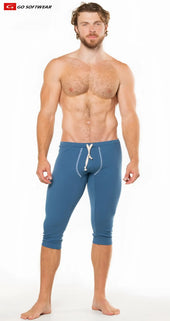
Compression tights over underwear work brilliantly when you're moving—cycling commutes, trail runs, or long walks between meetings. The snug fit prevents bunching, and quality tights wick moisture outward while your underwear handles the intimate zone. Choose seamless or flatlock-seam tights to avoid friction hotspots, and always opt for tights with a gusseted crotch panel to reduce pressure and chafing. Thermal tights, typically in merino or synthetic blends, add warmth without excessive squeeze, making them ideal under slim jeans or suit pants when you're facing all-day cold.
When to skip? If you're layering thermal leggings with a built-in pouch or anatomical front panel, ditch the underwear. Double-layering in the pouch zone creates bulk, restricts circulation, and traps heat where you least want it. If the tights are designed to be worn solo, trust the design—your comfort will thank you.
Liner shorts vs underwear: gym-to-office without the fuss
Liner shorts blur the line brilliantly—they're athletic shorts with built-in mesh or microfiber briefs, eliminating the need for separate underwear on active days. Perfect for morning gym sessions that flow into a quick shower and office attire, they reduce laundry, streamline your gym bag, and prevent the dreaded locker-room scramble. However, liner shorts aren't a full replacement for all-day office wear. Once you swap into dress pants or jeans, you'll want proper underwear for structure, coverage, and that polished, put-together feeling. The smart move? Keep a sleek pair of trunks or boxer briefs in your desk drawer for the post-workout transition, ensuring you stay fresh and confident through every October curveball.
Temperature Control Without Bulk: Smarter Stacking Strategies
Effective layering men's underwear for fall transition weather hinges on a targeted, zone-based approach that prioritizes warmth where you need it and airflow where you don't—without adding unnecessary bulk that restricts movement or traps sweat. The key is treating your lower half like a precision climate system: insulate the core heat generators, allow ventilation pathways, and recognize when you're crossing from snug into stifling. October's unpredictable swings demand strategic stacking, not simply piling on more fabric.
The three-zone plan: groin, thighs, and lower back get priority
Your groin generates the most heat and moisture, your thighs experience the most friction, and your lower back sits directly against cold seats, benches, and stadium bleachers. Start by locking in a performance base layer—modal, micro modal, or merino boxer briefs—that wicks moisture from the groin while providing seamless, chafe-free coverage across the thighs. If you're adding a thermal midlayer or compression tight, focus the insulation around the lower back and outer thighs, leaving the groin area less compressed to maintain airflow and prevent swampy buildup. A merino brief paired with nylon-blend compression shorts delivers warmth at the waistband and thigh without smothering your core zone.
Venting and swapping: discreet mid-day adjustments
October means you'll move from chilly morning commutes into heated offices, then back out to brisk evening air. Keep a spare pair of lightweight trunks or modal boxer briefs in your desk drawer or gym bag for a quick mid-day swap if you've worked up sweat during lunch or your bike ride in. A thirty-second restroom refresh resets your microclimate and prevents that clammy, locked-in feeling. If a full change isn't practical, use climate-controlled moments—stepping outside, loosening your belt, or adjusting your stance—to let heat escape and moisture evaporate before it settles in.
Avoiding over-insulation: know the red flags
If you're noticing persistent dampness, a sticky waistband, or the urge to adjust every fifteen minutes, you've layered too heavily. Overheating down low doesn't just kill comfort—it increases chafe, odor, and skin irritation risk. Cotton thermals under synthetic briefs create a moisture trap; doubled compression layers restrict circulation and airflow. Dial back to a single, high-performance base or swap your midlayer for a lighter-weight option with targeted mesh panels. Your body will tell you when the balance tips—listen early, adjust fast.
Odor and Moisture: Stay Fresh From 8 AM to After-Hours
October's rapid temperature swings force your underwear to juggle two critical jobs at once: neutralizing odor from surprise midday heat and evacuating moisture before evening chill locks it against your skin. The right antimicrobial and moisture-wicking strategy transforms your base layer from a sweaty liability into an all-day confidence shield, even when your schedule runs from dawn bike rides to after-work rooftop cocktails.
Antimicrobial tech that actually works (and what's hype)
Look for fabrics treated with silver ion or copper oxide technologies—they disrupt the bacteria that feed on sweat and generate odor, not just mask the smell. Merino wool delivers natural antimicrobial properties through its keratin structure, while brands embedding activated charcoal or polygiene offer proven lab-tested results. Skip marketing buzzwords like "odor-resistant" without clear tech specs; if the label doesn't name the active agent, it's likely just a fragrance coating that washes out after three cycles. Modal and bamboo viscose offer mild odor control through fiber structure alone, but they won't match the staying power of engineered treatments or merino when you're layering underwear through fall transition weather and pushing through humidity spikes.
Moisture management hierarchy: wick, spread, evaporate
The smartest underwear moves sweat through three phases. First, the fabric against your skin wicks moisture away instantly—look for synthetic blends, merino, or micro modal with hydrophobic fibers. Second, the material spreads that moisture across a wider surface area using capillary action, preventing wet spots from clinging. Third, the fabric's breathability lets air currents evaporate the moisture outward, ideally before your next layer traps it. Polyester and nylon excel at phase one and three; merino dominates all three. Cotton fails spectacularly because it absorbs and holds moisture against your skin, turning cold and clammy the moment October temps drop.
Quick-dry routines at the office or on the road
When you're traveling light or pivoting from a sweaty commute to back-to-back meetings, quick-dry underwear becomes non-negotiable. Rinse a pair in the hotel sink with minimal soap, press excess water out with a towel, and hang near a heating vent or over a shower rod—performance synthetics dry in four to six hours, merino in eight. Keep a backup pair in your desk drawer or gym bag; swap mid-day if your morning layer is damp from unexpected heat, and drape the first pair over an office chair back or inside a locker to air out. This rotation strategy keeps odor at bay and ensures you're never stuck in soggy underwear when temperatures plummet after sunset.
Outfit Pairings: Match Your Underwear System to What You Wear
Your outer layers dictate what happens underneath, so smart layering men's underwear fall transition weather means reverse-engineering your entire outfit from the waistband out. The best base layer disappears under tailoring, breathes under wool, and never telegraphs seams or bulk when you're dressed to impress or casually layered up. Here's how to match your underwear system to October's most common outfit archetypes without sacrificing confidence or comfort.
Under slim jeans, chinos, and suits: invisible, smooth, no lines
Slim-cut pants and tailored suiting demand micro-flat seams, low-profile waistbands, and fabrics that glide rather than grip. Modal trunks or lightweight nylon boxer briefs with laser-cut edges eliminate visible panty lines and keep you looking sharp under structured denim or dress trousers. Choose a mid-rise that sits just below your belt line so the waistband never peeks out during meetings or seated meals. Pouch construction matters here—contoured, seamed pouches prevent front bunching and flattening, delivering a clean silhouette without compression discomfort. Avoid cotton blends that pill or bunch; October's mix of indoor heat and outdoor chill means you need fabrics that recover their shape after hours of sitting, walking, and temperature flux.
With flannels, henleys, and overshirts: balance heat up top and down low
When you're layering heavier knits and wovens on top, your lower half needs breathability to counterbalance the insulation. Merino or bamboo boxer briefs with a slightly longer inseam wick moisture away from your thighs while preventing chafe under denim or canvas pants. If you're wearing a flannel over a tee, don't over-insulate below—choose a single, moisture-managing base that breathes as temps climb midday. Modal blends shine here because they stay cool against skin even when you're wrapped in wool up top. Skip thermal long johns unless the forecast dips below 45°F; October rarely demands that level of base coverage under casual streetwear, and over-layering traps sweat you'll regret by lunchtime.
Socks and undershirts that support the microclimate
Your entire body-to-fabric ecosystem works as one thermal unit, so crew socks in merino or performance blends bridge the gap between your boots and your underwear, preventing cold ankles that chill your core. Pair them with a moisture-wicking undershirt in micro modal or a merino-synthetic hybrid to create a continuous evaporation pathway from groin to collar. When your undershirt pulls sweat away from your torso and your socks do the same at your feet, your underwear can focus solely on the pelvic zone without becoming a moisture sponge. Match fabric weights across all three layers—lightweight trunks, a breathable tee, and mid-weight socks create harmony; mismatched insulation creates hot spots and damp zones that kill all-day confidence.
Scenario Playbooks for Real October Days
October throws curveballs, and your underwear system needs to flex across a dozen microclimates in a single day—so here's how to layer smart when real life gets complicated. These scenario playbooks translate fabric science and cut strategy into concrete moves for the days that demand everything from your foundation layer.
Bike commute + office AC + patio happy hour
Start with a fast-dry trunk in performance nylon or poly blend—something with a contoured pouch and seamless leg bands that won't bunch under cycling shorts or slim trousers. The pedal push warms you fast, but the moment you lock up and step into refrigerated office air, moisture becomes the enemy. Quick-wicking fabric pulls sweat off your skin before the AC freeze locks it in. Stash a micro modal spare in your desk drawer and swap at lunch if you went hard on the commute; fresh fabric resets comfort instantly. When the sun dips and you head to the patio, that base layer handles the chill without adding bulk under your jeans, and antimicrobial tech keeps you confident through every transition.
Weekend tailgate + stadium seats + late-night walk
Layer a merino boxer brief under relaxed chinos or joggers—the natural crimp traps warmth during early kickoff without overheating when you're shoulder-to-shoulder in the stands. Stadium seats pull heat fast through metal or cold concrete, so a mid-rise cut with full rear coverage shields your lower back and seat from the chill. Pack a lightweight thermal tight in your bag if temps are forecast to drop post-game; slip them on over your underwear in the stadium bathroom before the walk home, and you've added insulation without sacrificing the fit or feel of your primary layer.
Leaf-peeping road trip: minimal pack, maximum freshness
Two pairs of bamboo viscose trunks and one merino boxer brief cover a three-day weekend with zero laundry stress. Bamboo dries overnight on a hotel towel bar, and merino wears two days without odor if you air it out between. Both fabrics pack flat, resist wrinkles, and handle the stop-start rhythm of scenic overlooks, diner booths, and hiking trails. Keep the merino for the coldest morning, bamboo for milder afternoons, and rotate deliberately to maximize freshness with minimal luggage real estate.
Gym at lunch, client meeting at 2 PM
Wear a supportive pouch brief in moisture-wicking mesh or perforated nylon to the gym, then swap into a smooth modal trunk before you towel off. The switch takes thirty seconds but resets your entire foundation—dry fabric, zero cling, invisible seams under dress trousers. Store the gym pair in a breathable mesh bag inside your briefcase or locker; airing it out prevents funk and extends the life of the elastic. This double-pair strategy is non-negotiable when sweat and boardroom polish collide in the same afternoon.
Rainy, windy days: block chill without going swampy
Wind cuts through damp cotton like it's not even there, so reach for a merino or synthetic blend boxer brief with a snug but stretchy waistband that sits above your belt line—exposed gaps invite drafts straight to your core. Pair it with water-resistant trousers or treated chinos that shed drizzle instead of soaking it up. If you're caught in a downpour, the quick-dry synthetic rebounds faster than natural fibers, but merino's thermoregulation keeps you warmer even when damp. Skip compression layers on these days unless you're moving hard; static, wet compression traps cold moisture against your skin and turns miserable fast.
Skin Sensitivities and Comfort Non-Negotiables
Your skin is the final arbiter of comfort, and October's swing between crisp mornings and humid afternoons can turn minor irritations into all-day distractions—especially when layering men's underwear for fall transition weather. The key is understanding which fabrics, construction details, and hygiene strategies respect your body's unique needs without forcing you to sacrifice warmth or performance.
Wool "itch" myths, truths, and easy workarounds
Merino wool's reputation for scratchiness is rooted in old-school fabrics with thick, coarse fibers—not the superfine micron counts (17.5–19.5μ) found in modern performance underwear. If you've sworn off wool after childhood memories of scratchy sweaters, you're likely reacting to fiber diameter, not the material itself. True next-to-skin merino feels cloud-soft and naturally regulates temperature without triggering histamine responses. For extra insurance, look for blends that sandwich merino between modal or nylon panels in high-friction zones like the inner thighs and waistband. If you're still cautious, start with a merino-blend boxer brief (60/40 merino-nylon) over a pair of ultra-thin modal trunks for a buffer layer that lets you test the waters without committing fully.
Seams, tags, and dyes that won't fight your skin
Flatlock seams lie flush against skin rather than creating raised ridges that chafe through hours of sitting, walking, and temperature flux. Tags are the enemy—period. Seek out heat-transferred labels or tagless printed care instructions, and if you inherit a pair with a stubborn woven tag, carefully snip and tweeze out every thread. Reactive dyes and optical brighteners are common culprits for contact dermatitis; hypoallergenic or OEKO-TEX certified fabrics guarantee that what touches your groin is free from harsh chemicals, heavy metals, and allergen residues.
Managing jock itch risk in shoulder-season humidity
October's unpredictable humidity creates the perfect storm for fungal overgrowth if moisture lingers in the groin crease. Prioritize antimicrobial fibers like merino or silver-ion-treated synthetics that starve bacteria and fungi of the damp environment they crave. After a sweaty commute or lunch workout, swap into a fresh pair immediately rather than letting damp fabric marinate against your skin. Keep a spare in your bag or desk drawer, and consider applying a light dusting of antifungal powder on high-risk days—just ensure it's talc-free and won't clump inside performance fabrics.
Fit and Sizing That Stay Put All Day
The difference between confident all-day wear and constant tugging comes down to three millimeters and one sizing tier—precision fit transforms October layering from guesswork into a locked-in system. When fall transition weather demands strategic underwear stacking, every measurement point matters: waist, seat, thighs, and rise all shift under midlayers and temperature swings, so starting with accurate numbers prevents ride-up, roll-down, and the midday reset shuffle.
Measure for the win: waist, seat, thighs, and rise
Grab a fabric tape and measure your natural waist where the band will actually sit—not your pant size, which can run two inches off. Circle your seat at the fullest part of your glutes, then your thighs at mid-point between hip and knee. Rise, often ignored, determines how the pouch sits and whether the waistband digs when you layer tights or thermals over top. Compare all four numbers against each brand's size chart; a medium in one cut may translate to large in a low-rise trunk, especially when you add compression layers that shift fabric tension across every seam.
Big thighs, small waist? Use stretch blends and gussets
Athletic builds and proportional mismatches thrive in fabrics with at least fifteen percent elastane or spandex—micro modal blends and nylon-spandex performance weaves move with you instead of cutting circulation mid-squat. Look for diamond gussets or contoured inseams that add room exactly where thighs meet the pouch, eliminating the vise-grip effect when you layer long johns or base shorts on top. Brands engineering for real body diversity map stretch zones into the pattern itself, so the waistband grips without strangling and leg openings stay flush without strangling quad muscle.
Zero ride-up, zero roll: lock in the foundation
Silicone grip strips along inner leg hems and stay-put waistbands with rubberized backing anchor underwear through October's sit-stand-walk-layer cycles. Pair that tech with the right leg length: if trunks creep up your inseam within an hour, size up or switch to a six-inch boxer brief that physically can't migrate. Avoid over-stretching during the first wear—if you have to wrestle into a pair, the elastic memory is already compromised, and roll-down under a thermal layer is inevitable by lunch.
Care, Rotation, and Longevity for Your Fall Lineup
The right care routine doubles the lifespan of every high-performance piece in your fall drawer—and keeps wicking, stretch, and shape locked in through hundreds of wears. October's constant temperature shifts demand underwear that bounces back fast, and smart washing, drying, and rotation habits are your secret weapons for all-day confidence that doesn't fade mid-season.
Wash rules that protect wicking and stretch
Cold or warm water is your best friend—hot water degrades elastane and breaks down moisture-wicking finishes faster than anything else. Turn merino, modal, and performance synthetics inside out before washing to protect the exterior fibers and reduce pilling. Use a gentle, fragrance-free detergent without fabric softener; softeners coat technical fabrics and destroy their ability to wick sweat away from your skin. For delicate pouches, architectural cuts, or pieces with bonded seams, toss them in a mesh laundry bag to prevent snags and stretching in the machine. Wash darks separately to preserve color intensity, and never overload the drum—underwear needs space to rinse thoroughly and avoid trapped moisture that breeds odor.
Drying and storage when the radiators kick on
Air-dry flat or hang on a drying rack away from direct heat sources like radiators, which can warp waistbands and melt elastic fibers. If you must use a dryer, choose the lowest heat setting and pull pieces out while still slightly damp to finish air-drying—this preserves stretch and prevents shrinkage. Store your fall rotation in a cool, dry drawer with good airflow; avoid damp basements or overly heated closets that trap moisture and degrade fabric elasticity. Stack by fabric type or intended use so you can grab the right pair fast on unpredictable October mornings.
Rotation math: how many pairs do you actually need in October?
Seven to ten pairs cover most weekly routines with one wash cycle, but if you layer base shorts or compression tights, budget an extra three to five pairs of core underwear. Active days, sweaty commutes, and midday changes mean your rotation works harder in fall than any other season. A smart breakdown: three merino or performance pairs for high-output days, three modal or bamboo for low-sweat office hours, and two to three versatile hybrids that handle anything. Pack two extra pairs in your gym bag or work locker for spontaneous weather swings or after-hours plans—you'll never regret having a fresh backup when temps drop fast.
Common Layering Mistakes—and the Smarter Swaps
The fastest route to midday regret is stacking the wrong fabrics, fits, or compression levels without thinking through how October's swing-weather actually behaves on your body. Even high-quality pieces can sabotage your confidence if you layer them incorrectly. Here's how to sidestep the three most common traps and make smarter, sleeker choices that keep you comfortable from first coffee to last call.
Doubling cotton on damp days is a confidence killer
Cotton feels cozy at first touch, but layering cotton underwear under cotton thermals or joggers on a cool, drizzly October morning turns your lower half into a humid nightmare. The moment you hustle up subway stairs or dash across a parking lot, moisture gets trapped between both layers with nowhere to escape. You're left clammy, chilled, and stuck in damp fabric that won't dry until you strip down at home.
The smarter swap: choose a moisture-wicking base—merino, modal, or a performance-blend brief—paired with a breathable midlayer in nylon, polyester, or a merino-synthetic hybrid. This combo pulls sweat away from skin and spreads it across the outer layer's surface, where airflow can actually evaporate it. You stay dry, warm, and confident even when October throws rain and unexpected heat at you back-to-back.
Over-compressing backfires on warmth and comfort
Cranking up compression to stay warm is a rookie move. Tight compression gear constricts blood flow and crushes the micro air pockets in fabric that actually trap body heat. The result? You feel colder, not warmer, and your circulation suffers during long sits or commutes.
Instead, opt for a snug-but-breathable fit in your base layer and save true compression for targeted athletic recovery, not all-day wear. A well-cut trunk or boxer brief in merino or modal delivers light support and thermal regulation without strangling your thighs or waistband.
Ignoring pant fabric creates friction and heat traps
Your denim, wool trousers, or tech joggers aren't neutral bystanders—they actively shape how your underwear performs. Thick, non-breathable denim over synthetic briefs creates a friction furnace. Wool slacks over cotton can pill and chafe by lunch.
Match your underwear's texture and thickness to your outerwear: smooth, low-profile micro modal under slim suiting; slightly thicker merino trunks under relaxed denim or corduroy. This intentional pairing eliminates friction, prevents heat buildup, and keeps every layer working in sync all day long.
Budget, Sustainability, and Smart Drawer-Building
Strategic spending on your October underwear lineup delivers exponential returns in comfort, longevity, and confidence—allocate your dollars where fabric technology and construction elevate daily performance, then save on staples that play supporting roles. Premium merino blends, seamless pouch designs, and antimicrobial performance fabrics justify the investment because they regulate temperature, resist odor, and outlast fast-fashion alternatives by years. These hero pieces—think architectural trunks with mapped ventilation or thermal boxer briefs with four-way stretch—anchor your rotation and handle the heavy lifting on volatile fall days. Save on secondary layers like cotton-blend briefs for low-activity weekends or basic liner shorts that ride backup under sweatpants. The sweet spot? Two to three premium pairs cycling through your toughest days, backed by four to five mid-tier workhorses for everything else.
Where to invest and where to save
Pour your budget into the underwear that touches your skin during temperature swings, extended wear, and high-output moments—merino-nylon hybrids, modal boxer briefs with ergonomic seaming, and compression-lite trunks that wick and breathe. These pieces cost more upfront but slash the need for mid-day swaps, frequent replacements, and laundry emergencies. Save on basics: simple cotton trunks for lazy Sunday mornings, budget synthetics for gym-only sessions, or house-brand briefs that sit idle except on laundry day. Skip trendy gimmicks—unnecessary "cooling gel" waistbands or over-engineered pouches with twelve panels—and focus spend on proven fabric blends and flatlock seams that eliminate chafe.
Lower-impact choices that still deliver performance
Sustainability and performance shake hands when you choose organic cotton blends, TENCEL modal, or recycled nylon and polyester that match virgin fibers on moisture management and stretch retention. Brands using low-impact dyes, closed-loop production, and OEKO-TEX certified textiles prove you don't sacrifice wicking speed or odor resistance to lighten your footprint. Merino wool from traceable, ethical farms delivers temperature regulation and biodegradability without compromise. Prioritize longevity over disposability—one pair of well-constructed, eco-conscious underwear worn two hundred times outpaces ten cheap pairs that fray, pill, and hit the landfill after a season. Look for transparency in supply chains and skip greenwashing buzz phrases that lack certification.
Build a capsule drawer for the entire fall transition
Your October capsule thrives on versatility, not volume—start with seven to nine pairs that rotate seamlessly across work, movement, and leisure without redundancy. Begin with three premium merino or modal boxer briefs for high-stakes days: commutes, meetings, and unpredictable weather shifts. Add two performance synthetic trunks for gym sessions, bike rides, or sweaty errands that demand fast-dry speed. Include two cotton-blend briefs or trunks for low-key weekends and one thermal pair for genuinely cold mornings or late-evening outdoor plans. Round out with a compression tight or thermal legging for layering on the coldest swings. This tight rotation ensures every piece earns its drawer space, laundry cycles stay manageable, and you're never caught without the right foundation when October throws its best curveball.
FAQs: Real Questions About October Underwear Layering
These are the real-world questions that pop up when you're standing in your closet at 6 AM, staring down a 48-degree morning and a 72-degree afternoon—and your confidence depends on what you put on first.
Can you wear two pairs of underwear for extra warmth?
Technically yes, but it's rarely the move. Stacking two pairs creates friction between layers, traps moisture instead of managing it, and adds bulk that bunches under slim fits. If you're genuinely cold enough to consider doubling up, swap your base pair for a true thermal brief or add dedicated long johns over a single moisture-wicking pair. The exception: if you're layering a sheer or open-back style over a full-coverage brief for fashion reasons, make sure the base layer wicks and the outer layer breathes—never double cotton.
Do thermal leggings replace underwear or go over it?
Most quality thermal tights are designed to be worn over underwear, not as a replacement. The best approach for layering men's underwear fall transition weather is a moisture-wicking brief or trunk as your foundation, then thermal leggings that add insulation without friction. Look for underwear with a low-profile pouch and minimal seams, and leggings with a soft interior that won't grab or roll. If your tights have a built-in liner and you're only wearing them for a short, dry activity like a morning run, you can skip underwear—but for all-day wear, keep that base layer in play.
Is merino safe for sensitive skin down there?
Absolutely, when it's the right merino. Modern superfine merino (17.5–19.5 micron) feels buttery, not scratchy, and its natural antimicrobial and moisture-regulating properties actually soothe skin prone to irritation. Avoid coarse wool blends and look for underwear explicitly labeled "next-to-skin" or "superfine." If you've had reactions to wool socks or sweaters, that's usually a coarser grade—high-quality merino underwear is an entirely different tactile experience, soft enough for all-day contact.
How do I stop underwear from rolling under tights?
Rolling happens when your waistband can't grip or when fabric layers slide against each other. Choose underwear with a wide, stay-put waistband that sits flat—silicone grips or jacquard elastic work wonders. Pair it with tights that have a compatible rise; if your underwear sits low and your leggings sit high, the mismatch creates roll. A trunk or mid-rise brief under high-waisted tights eliminates the gap. Skip satin or overly smooth fabrics on both layers—a bit of texture creates friendly friction that locks everything in place.
What's the best underwear for sweaty commutes but cold offices?
You need fast-drying, moisture-wicking performance that doesn't sacrifice warmth once you're stationary. A merino-nylon blend or high-GSM modal with mesh zones delivers that balance—wicks hard during your walk or bike ride, then insulates gently under AC without going clammy. Avoid pure cotton, which stays wet and cold. A pouch design with ventilation panels and a trunk or boxer brief cut gives you coverage and airflow. Stash a backup pair in your desk drawer for true peace of mind on unpredictable days.
How many pairs should I pack for a 3-day October trip?
Pack four pairs minimum: one per day plus a wildcard. October weather is fickle, and you might sweat through a pair on a surprise warm afternoon or want a fresh option after an evening workout. Choose quick-dry fabrics like nylon blends or modal so you can rinse and hang overnight if needed. If your itinerary includes high-activity days—hikes, long walks, outdoor events—bump it to five pairs or pack a dedicated sport brief. Confidence on the road starts with knowing you've got the foundation covered, literally.

0 comments