

- Understanding Anatomical Support in Swim Briefs
- The Role of Pouch Architecture
- Featured Collection: Curated Swimwear Selection
- The AD Basic Sunga: Essential Support Refined
- Fabric Technology and Performance
- Compression Versus Support
- Fit Fundamentals: Rise, Cut, and Coverage
- Sizing Beyond the Numbers
- Design Elements That Enhance Support
- Performance Considerations for Active Wear
- Maintenance and Longevity
- Common Fit Issues and Solutions
- When to Size Up or Down
- Style Versatility Without Sacrificing Support
- Frequently Asked Questions
- Do supportive swim briefs work for all body types?
- How many swim briefs should I own?
- Can I wear supportive swim briefs for tanning or lounging only?
- What's the difference between swim briefs and swim trunks in terms of support?
- How do I know if the support level is right?
- Investing in Quality: Price Versus Value
- Confidence as the Ultimate Performance Metric
Supportive men's swim briefs are not about what you're hiding—they're about what you're showcasing with confidence, precision, and anatomical intelligence. The difference between a flat-front disaster and a sculpted, streamlined silhouette comes down to three non-negotiables: engineering-grade fit, contoured pouch architecture, and performance fabrication that moves with your body instead of against it. If you've ever felt the dread of adjustment anxiety at the pool's edge or suffered through a brief that flattened instead of flattered, you already understand why support isn't optional—it's foundational.
Understanding Anatomical Support in Swim Briefs
Anatomical support in swim briefs is the strategic distribution of tension, compression, and freedom across multiple body zones simultaneously. Unlike traditional swimwear that treats your anatomy as an afterthought, truly supportive designs incorporate specialized pouch construction that cradles without constricting, lifts without binding, and separates without creating unwanted bulk. The engineering involves multiple fabric panels working in concert—front pouch sections with strategic seaming, lateral support bands that anchor at the hip crease, and base panels that prevent downward migration during movement.
Premium swim briefs employ what designers call "ergonomic contouring," which accounts for the natural variations in male anatomy. This isn't about one-size-fits-all compression; it's about targeted zones of support that acknowledge different parts of your body require different levels of tension. The pouch itself often features a double-layer construction: an inner mesh lining that provides breathable separation, and an outer structural layer that shapes and defines the silhouette. This dual-panel approach prevents the dreaded "pancake effect" that cheaper briefs inflict upon unsuspecting wearers.
The Role of Pouch Architecture
Pouch architecture determines whether your swim brief becomes a second skin or a source of constant fidgeting. The most sophisticated designs utilize three-dimensional pattern cutting—a technique borrowed from haute couture that creates depth and volume through strategic dart placement and curved seam lines. These aren't flat pieces of fabric sewn together; they're sculptural elements engineered to accommodate natural body geometry. The apex of the pouch sits precisely where it should, the lateral seams curve inward to provide lateral containment, and the base features reinforced stitching that prevents stretching over time.
Consider the difference between a hammock and a shelf. A hammock cradles from beneath while allowing natural movement; a shelf merely pushes upward. Premium swim briefs function like anatomical hammocks, distributing weight across a broader surface area rather than creating pressure points. This is achieved through underpouch support panels—often constructed from power mesh or reinforced jersey—that extend from the front center seam toward the leg openings, creating a supportive sling structure invisible to the eye but essential to the experience.
Featured Collection: Curated Swimwear Selection
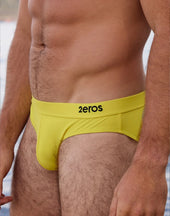
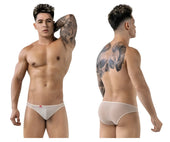
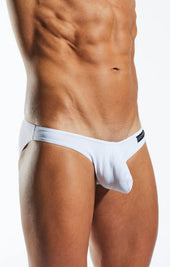
Our complete swimwear collection represents the pinnacle of supportive design philosophy across multiple silhouettes, fabrications, and aesthetic expressions. Each piece has been selected for its commitment to anatomical intelligence, whether you're drawn to classic low-rise profiles, daring cut-outs, or architectural details that transform swimwear into wearable art. The collection spans everything from minimalist solids that let construction speak for itself to bold prints and color-blocked designs that command attention.
What unifies this curated selection is an unwavering commitment to pouch engineering and body-positive fit across diverse body types. You'll find options with enhanced frontal projection for those who want maximum definition, styles with wider side panels for additional hip coverage, and avant-garde designs that incorporate strapping details or mesh insertions without compromising structural integrity. This isn't about picking a swim brief off a rack—it's about discovering the precise intersection of your aesthetic preferences and your body's specific support requirements.
The AD Basic Sunga: Essential Support Refined
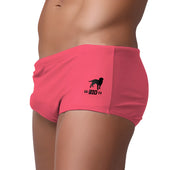
The AD Basic Sunga represents stripped-down excellence in supportive swim brief design—proof that "basic" can be anything but boring when executed with meticulous attention to fit fundamentals. This style showcases Addicted's signature pouch construction with a pronounced frontal profile that provides lift and definition without requiring excessive fabric or padding. The Brazilian-inspired sunga cut sits low on the hips while offering fuller rear coverage than traditional European briefs, creating a balanced silhouette that flatters multiple body types.
What makes this piece exceptional for support-focused swimmers is its strategic seam placement: the center front seam creates natural separation and prevents fabric from riding into uncomfortable positions, while the lateral support panels extend further back than standard construction, effectively anchoring the brief in place during active movement. The waistband features interior grippers—those subtle silicone beads you feel but don't see—that prevent roll-down without creating the visible indentation that screams "cheap elastic." This is fundamental design executed at an elevated level, making it an ideal entry point for anyone upgrading from basic swimwear to architecturally intelligent pieces.
Fabric Technology and Performance
Fabric selection determines whether supportive construction translates into actual performance or becomes a waterlogged disappointment. Premium swim briefs utilize technical blends—typically polyamide (nylon) and elastane (spandex) combinations—that offer four-way stretch, chlorine resistance, and rapid dry times simultaneously. The fiber ratio matters immensely: too much elastane creates excessive cling and transparency when wet, while insufficient elastane results in sagging and shape loss after repeated wear.
The most sophisticated performance fabrics incorporate microfiber construction, where individual yarns are split into ultrafine filaments during manufacturing. This creates a denser weave with enhanced opacity, superior moisture wicking, and a buttery hand-feel that distinguishes luxury from budget options. These fabrics also feature built-in UV protection—typically UPF 50+—which matters more than you might assume for extended poolside lounging or beach activities. Color retention is another critical performance marker; premium dyes are solution-dyed into the fiber itself rather than applied topically, preventing the fading and discoloration that cheaper swim briefs suffer after a handful of wears.
Compression Versus Support
Compression and support are not interchangeable concepts, though they're frequently confused in marketing copy. Compression applies uniform pressure across the entire area, flattening and constricting indiscriminately. Support, by contrast, provides targeted reinforcement that maintains natural shape while controlling movement. Athletic compression shorts might be appropriate for running, but that same all-over squeeze becomes counterproductive—and frankly uncomfortable—in swimwear contexts where you want definition rather than diminishment.
The ideal swim brief incorporates selective compression: higher tension around the waistband and leg openings to ensure the garment stays in place, moderate compression through the hip and rear panels for shaping, and strategic give through the pouch area that accommodates rather than restricts. This graduated compression approach requires multiple fabric weights or different knit structures within a single garment—a construction complexity that separates premium offerings from mass-market alternatives.
Fit Fundamentals: Rise, Cut, and Coverage
Rise—the distance between the crotch seam and the waistband—is the most overlooked dimension in swim brief fit, yet it dictates comfort and support more than any other measurement. Low-rise styles (typically 6-7 inches) sit below the hip bones and create a modern, elongating effect on the torso, but they require precise pouch engineering to prevent inadequate frontal coverage. Mid-rise options (8-9 inches) offer a balanced approach that works across more body types, providing sufficient frontal room without vintage vibes. High-rise swimwear (10+ inches) has experienced a renaissance in fashion-forward circles, offering maximum support and a retro-meets-contemporary aesthetic when executed in sleek, modern fabrics.
Leg opening cut determines both aesthetic and functional outcomes. Higher leg cuts—where the opening extends above the natural hip crease—create the illusion of longer legs while reducing the fabric that can bunch or ride up during swimming. However, extremely high cuts can compromise support if they reduce the surface area available for pouch construction. The sweet spot typically falls about 1-2 inches above the hip crease: enough to flatter and elongate without sacrificing structural integrity.
Sizing Beyond the Numbers
Numeric sizing tells only part of the fit story. A size medium from one brand may accommodate a 32-inch waist with a longer torso, while another brand's medium assumes a 30-inch waist with average rise. This is why premium retailers provide detailed measurement charts that include not just waist circumference but also front rise, back rise, and pouch depth specifications. When evaluating supportive swim briefs, pay particular attention to pouch capacity indicators—some brands now specify this as "standard," "enhanced," or "maximum," acknowledging that anatomical requirements vary.
The fabric's stretch factor also influences functional sizing. A brief with 300% stretch (meaning the fabric can extend to three times its relaxed state) will accommodate a wider range of measurements but may sacrifice shape retention. Fabrics with 200% stretch offer more structure and support but require more precise sizing. Neither approach is inherently superior; they simply serve different priorities and body types.
Design Elements That Enhance Support
Specific design features separate truly supportive swim briefs from decorative afterthoughts. Internal drawstrings, for instance, provide adjustability that external ties cannot match—they allow you to fine-tune waistband tension without compromising the clean exterior lines. Front-lined pouches create a barrier between skin and outer fabric, preventing transparency issues while adding a subtle layer of structural support. Flatlock seaming, where stitch lines lie completely flat rather than creating raised ridges, eliminates chafing and reduces drag in water.
The best swim brief is the one you forget you're wearing—not because it's unnoticeable, but because it's so precisely engineered that it becomes an extension of your own confidence.
Rear panel construction deserves equal attention to frontal architecture. Contoured rear panels with curved seams lift and shape rather than simply covering. Some advanced designs incorporate subtle shirring—controlled gathering along the center back seam—that creates dimensional shaping without visible bunching. Contrast piping along seam lines isn't merely decorative; it often indicates reinforced stitching that enhances durability and shape retention in high-stress areas.
Performance Considerations for Active Wear
Supportive swim briefs must perform across multiple contexts: lap swimming, water polo, beach volleyball, or simply looking impeccable while lounging. Competitive swimmers require maximum hydrodynamic efficiency, which means extremely smooth exterior surfaces, minimal seaming, and tight-but-not-restrictive fit that prevents drag. Recreation-focused wearers prioritize comfort during varied movement—bending, diving, walking—which demands flexibility and security in equal measure.
Quick-dry performance becomes critical for those who transition from water to land activities without a costume change. Premium fabrics shed water in minutes rather than hours, preventing that clammy discomfort of prolonged dampness. This rapid evaporation is achieved through both fiber choice and knit structure—looser weaves allow better airflow but can compromise opacity, while tighter weaves offer security but slower drying. The most sophisticated fabrics achieve both through layered construction: a tight outer layer for appearance and a more open inner layer for moisture management.
Maintenance and Longevity
Proper care extends the functional life of supportive swim briefs exponentially. Chlorine and salt are sworn enemies of elastane fibers; both degrade the elasticity that makes support possible. Rinsing immediately after each wear—in cool, fresh water—removes these corrosive elements before they can bond with fibers. Machine washing should be done on delicate cycles in cool water with mild detergent; hot water accelerates elastane breakdown and can cause color bleeding in darker fabrics.
Air drying away from direct sunlight preserves both color and elasticity. Heat from dryers causes elastane fibers to crystallize and lose their stretch capacity, while UV exposure degrades both dyes and structural fibers. When you invest in premium supportive swimwear, these care protocols aren't optional fussiness—they're essential maintenance that protects your investment.
| Maintenance Action | Benefit | Frequency |
|---|---|---|
| Cool water rinse | Removes chlorine/salt | After every wear |
| Delicate machine wash | Deep cleaning without damage | Every 3-4 wears |
| Air dry in shade | Preserves elasticity and color | After every wash |
| Rotation between multiple pieces | Allows fibers to recover | Continuous |
Common Fit Issues and Solutions
Even with quality construction, fit issues can arise from mismatched expectations or sizing errors. The most common complaint—"the pouch isn't roomy enough"—often stems from choosing based on waist size alone without considering pouch architecture. If you consistently experience this issue across multiple brands, seek out styles specifically marketed with "enhanced" or "anatomical" pouch designs, which incorporate additional depth and volume.
Waistband rolling typically indicates either a size too small (creating excess tension that forces the band to fold) or insufficient elastic recovery in older garments. If the issue occurs with new swimwear, size up; if it develops over time, the elastic has reached end-of-life. Leg openings that dig in or ride up usually signal cut issues rather than sizing problems—your body geometry simply doesn't match that particular brief's pattern. Experiment with different leg cut heights rather than different sizes.
When to Size Up or Down
Sizing decisions should prioritize pouch comfort and waistband position over achieving the smallest possible size. If the waistband sits comfortably but the pouch feels constrictive, you need a larger size or a different pouch style entirely—attempting to "stretch it out" will only distort the garment's intended shape. Conversely, if the pouch fits perfectly but the waistband gaps or slides down, explore brands with different rise options before automatically sizing down, as reducing overall size will compromise frontal fit.
Fabric stretch can be deceiving. A brief that feels adequately snug when dry may become loose and saggy when saturated. Quality supportive swimwear maintains its compression characteristics even when wet, which is why trying on dry garments only tells part of the story. If purchasing online without try-on opportunities, prioritize retailers with generous return policies that allow you to test fit in actual water conditions.
Style Versatility Without Sacrificing Support
The notion that supportive swim briefs must look clinical or athletic is thoroughly outdated. Contemporary designs incorporate bold prints, color-blocking, metallic finishes, mesh panels, and decorative hardware without compromising structural integrity. The key is understanding which embellishments are purely cosmetic versus those that affect function. Mesh side panels, for example, add visual interest while improving breathability—a dual-purpose detail. Metallic rings or decorative straps should be secured to reinforced areas that won't deform under tension.
Pattern placement in printed fabrics can actually enhance the illusion of support through strategic color placement—darker panels along the sides create a slimming effect, while lighter tones at the center front draw the eye to the pouch area. These optical tricks complement physical support structures, creating a comprehensive approach to shaping and flattery.
Frequently Asked Questions
Do supportive swim briefs work for all body types?
Properly engineered supportive swim briefs accommodate diverse body types through varied construction approaches rather than one-size-fits-all solutions. The key is matching your specific proportions to the appropriate rise, pouch style, and leg cut. Individuals with fuller midsections often benefit from mid-to-high rise options with wider side panels, while athletic builds can leverage lower rises and higher leg cuts. The universality lies not in a single design but in the availability of multiple engineered options.
How many swim briefs should I own?
Rotation between at least three swim briefs extends the lifespan of each piece by allowing elastane fibers to fully recover between wears—elastic has a "memory" that needs rest time to return to its original state. For frequent swimmers or those on extended beach vacations, five to seven briefs provide optimal rotation while ensuring you always have a dry option available. Quality over quantity remains paramount; three premium supportive briefs will outperform ten budget alternatives.
Can I wear supportive swim briefs for tanning or lounging only?
Absolutely, and many individuals purchase supportive```html swim briefs specifically for their aesthetic and comfort during non-swimming activities. The structural support that benefits active wear translates equally well to stationary contexts—preventing readjustment, maintaining a defined silhouette, and ensuring confidence regardless of position or angle. In fact, lounging often exposes fit flaws that swimming motion might mask, so supportive construction becomes even more valuable when you're stationary and visible from all angles.
What's the difference between swim briefs and swim trunks in terms of support?
Swim trunks typically rely on mesh lining and drawstring closure for minimal support, treating the entire pelvic region as a single zone. Swim briefs, particularly those engineered for support, utilize contoured pouches, strategic paneling, and targeted compression that acknowledges anatomical complexity. Trunks prioritize modesty and casual coverage; briefs prioritize definition, control, and body-conscious fit. Neither is inherently superior—they serve different aesthetic and functional goals.
How do I know if the support level is right?
Proper support feels secure without restriction—you should be able to move freely in all directions without awareness of shifting or adjustment needs, yet the fabric shouldn't feel loose or mobile against your skin. The pouch should maintain its shape and position whether you're standing, sitting, or in motion. If you're constantly aware of the garment or feel the need to adjust, either the support structure is inadequate or the sizing is incorrect. Conversely, if you experience any numbness, pinching, or restricted circulation, the support has crossed into excessive compression territory.
Investing in Quality: Price Versus Value
Premium supportive swim briefs command higher price points for legitimate reasons: advanced fabric technology, complex pattern cutting, reinforced construction, and rigorous quality control all contribute to cost. A $20 swim brief and an $80 swim brief may appear similar on a hanger, but the difference reveals itself in water, after multiple wears, and across seasons of use. The budget option will likely lose elasticity within 10-15 wears, develop pilling or transparency, and require replacement before a single summer concludes. The premium piece, with proper care, delivers multiple seasons of consistent performance.
Calculate cost-per-wear rather than sticker price. A $75 swim brief worn 50 times across three summers costs $1.50 per wear. A $25 brief that deteriorates after 10 wears costs $2.50 per wear—and that calculation doesn't account for the inferior experience during those 10 wears. Value emerges from the intersection of longevity, performance, and satisfaction, not from the lowest initial outlay.
Confidence as the Ultimate Performance Metric
Technical specifications, construction details, and fabric technology all serve a singular purpose: enabling you to move through aquatic spaces with absolute confidence in your appearance and comfort. Supportive men's swim briefs eliminate the mental distraction of wardrobe malfunction anxiety, the physical discomfort of inadequate containment, and the visual compromises of poorly engineered silhouettes. When your swimwear performs its supportive function flawlessly, you're free to focus on the experience itself—the sensation of water, the social interactions, the athletic performance, or simply the pleasure of existing in your body without self-consciousness.
This confidence isn't vanity; it's the practical outcome of functional design meeting your body's specific requirements. Whether you're diving into competitive lanes, playing beach sports, or orchestrating a poolside entrance, supportive swim briefs provide the foundational assurance that allows everything else to follow naturally. The right pair doesn't just fit your body—it amplifies your presence, celebrates your form, and honors the reality that you deserve swimwear engineered with the same sophistication and attention that you bring to every other aspect of your presentation.
The conversation around men's swimwear has evolved beyond basic coverage to embrace anatomical intelligence, performance engineering, and body-positive design philosophy. Supportive swim briefs represent the culmination of this evolution—a category where fashion and function achieve genuine synthesis rather than uncomfortable compromise. Your investment in quality supportive swimwear is ultimately an investment in how you experience summer, water, and the unshakable confidence that comes from knowing every detail has been considered, engineered, and perfected.

0 comments