

Geschlechterfluide Herrenmode hat den Sprung von der Laufstegprovokation in den kommerziellen Mainstream geschafft – und diese Veränderung ist dauerhaft. Luxushäuser wie Saint Laurent, Dior, Ami und Vetements behandeln Androgynie nicht mehr als saisonales Experiment. Sie ist zu einer zentralen Designsprache geworden, die gleichermaßen von kreativer Vision und harter kommerzieller Strategie angetrieben wird. Für queere Männer und stilbewusste Kleidungsträger stellt dieser Moment etwas viel Größeres als Mode dar: Es ist eine kulturelle Erlaubnis, die endlich in der Kleidung kodifiziert ist.
Der Laufsteg ist nicht länger geschlechterspezifisch
Frauen, die Herrenmodenschauen laufen, sind das deutlichste Signal dafür, dass die binäre Geschlechterordnung auf höchster Ebene der Branche zerfällt. Bei den letzten Pariser Herrenmodewochen traten weibliche Models in Shows von Amiri, Ami und Vetements auf – nicht als Stunt, sondern als bewusste Aussage darüber, für wen Herrenmode gedacht ist. Jonathan Anderson schickte Perlen und transparente Blusen über den Laufsteg. Saint Laurent kleidete Männer in transparente Schuhe und weiche, unmissverständlich feminin wirkende Schnitte. Selbst Issey Miyake IM Men produzierte mit einer rein männlichen Besetzung Silhouetten, die sich einer einfachen geschlechtlichen Kategorisierung entzogen.
Coed-Shows sind auch eine wirtschaftliche Entscheidung. Die Zusammenlegung von Herren- und Damenpräsentationen reduziert Produktionskosten, konzentriert die Medienaufmerksamkeit und ermöglicht es Marken, eine einzige, einheitliche Geschichte zu erzählen. Saint Laurent hat sich öffentlich dazu bekannt, seinen Herrenmodeumsatz bis 2030 zu verdoppeln – und geschlechterfluide Ästhetik ist ein zentraler Bestandteil dieses Wachstumsplans.
Das ist nicht neu – aber noch nie so Mainstream gewesen
Die Mode hat schon früher androgyne Momente durchlaufen. In den 1920er-Jahren übernahmen Frauen die Herrenschneiderei. Die 1970er-Jahre brachten uns David Bowie, Marc Bolan und die volle Bandbreite der Glam-Rock-Extravaganz. Die 1990er-Jahre führten minimalistische Unisex-Ästhetik und Calvins Kleins geschlechtsneutrale Kampagnen ein. Jede Welle erreichte ihren Höhepunkt und ebbte dann mit der Verschiebung der Politik wieder ab.
Was den heutigen Moment unterscheidet, ist der institutionelle Maßstab. In den 1970er-Jahren war Androgynie subkultureller Aufruhr. In den 1980er-Jahren war es eine avantgardistische Provokation, als Jean Paul Gaultier Männer in Röcke steckte. Heute wird dieselbe Ästhetik von den kommerziell mächtigsten Luxushäusern der Welt als Mainstream-Marktstrategie eingesetzt. Der Unterschied liegt nicht in der Kleidung – sondern darin, wer sie verkauft und an wie viele Menschen.
Historisch gesehen ist die binäre Geschlechterordnung selbst die Anomalie. Vor dem 20. Jahrhundert trugen Männer selbstverständlich aufwendigen Schmuck, bestickte Seidenstoffe, Absätze und verzierte Gewänder. Wie die Modekritikerin Suzy Menkes bemerkte, trugen Männer einst "dramatische, kostbare, glamouröse und unbezahlbare Juwelen" als Selbstverständlichkeit. Das 20. Jahrhundert verengte die männlichen Kleidungsnormen dramatisch. Was wir jetzt erleben, ist eine Wiedereröffnung – in gewisser Weise eine Rückkehr zu einer längeren historischen Norm.
Die kulturelle Akzeptanz ist immer noch ungleich
Der Laufsteg und die Straße sind nicht dasselbe. Frauen, die Herrenmode tragen, ist heute so normalisiert, dass es kaum noch auffällt. Männer, die Röcke, Absätze oder offensichtlich feminine Silhouetten tragen, gelten in den meisten sozialen Kontexten immer noch als Überschreitung. Online-Männlichkeitsbewegungen und steigende Anti-Trans-Stimmung haben einen volatilen kulturellen Hintergrund geschaffen, dem sich die Mode nicht vollständig entziehen kann.
Die Offenheit der Mode gegenüber Androgynie ist historisch mit dem politischen Klima gestiegen und gefallen. Da rechte Politik in mehreren westlichen Demokratien an Boden gewinnt, könnte die aktuelle Welle geschlechterfluider Herrenmode in den nächsten fünf bis zehn Jahren Gegenwind erfahren. Gesellschaftlicher Wandel geschieht nicht, wenn Models über Laufstege laufen – sondern wenn alltägliche Männer androgyne Kleidung zur Arbeit, zum Abendessen und mit Freunden tragen.
Was das für Ihre Kleidung bedeutet
Für queere Männer und alle, die sich von konventioneller Herrenmode eingeengt gefühlt haben, ist dieser kulturelle Moment eine Öffnung. Das Vokabular des geschlechterfluiden Anziehens – strukturelle Gurt-Layering, kühne Bademodensilhouetten, ausdrucksstarke Unterwäsche als Oberbekleidung – ist zugänglicher und legitimierter als zu jedem früheren Zeitpunkt in der modernen Modegeschichte.
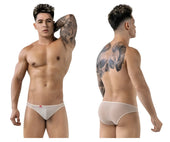
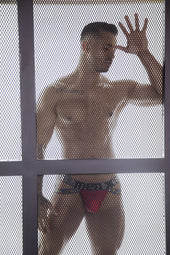
Entdecken Sie unsere Fetischkleidung und Harnesses für strukturelle Teile, die die architektonische Gurt-Ästhetik des Laufstegs in tragbare, alltagstaugliche und kühne Looks übersetzen. Für Kleidung bei warmem Wetter, die die Silhouette betont, bieten unsere Bikinis und Slips sowie rückenfreie Jockstraps und Bademode die Art von selbstbewusstem, körperbetontem Styling, das diese Ära der Herrenmode definiert. Und für eine tiefere Lektüre darüber, wohin die Mode für queere Männer geht, lesen Sie unseren Leitfaden zu Modetrends für queere Männer, kühnem Stil und LGBTQ+-Kultur.
Der Laufsteg hat seine Aussage gemacht. Der Rest hängt davon ab, wie Sie es tragen.


0 Kommentare