

- Warum Proportionen und Stoffwahl die Grundlage der Herrenmode bilden
- Proportionen entschlüsseln: Die Architektur Ihrer persönlichen Silhouette
- Ihre natürlichen Linien verstehen
- Der Goldene Schnitt im täglichen Outfit
- Meistverkaufte Kollektion: Kuratierte Grundlagen für exzellente Proportionen
- Stoffkunde: Materialeigenschaften, die Passform und Funktion verändern
- Naturfasern versus synthetische Innovationen
- Webart, Gewicht und Falldynamik
- Das Santorini Leinenhemd: Synergie von Proportion und Stoff
- Beherrschung von Skala und visueller Gewichtsverteilung
- Prinzipien der Musterproportionen
- Intelligentes Layering: Proportionale Komplexität ohne Chaos
- Übergangsstücke, die Jahreszeiten und Stile verbinden
- Farbtheorie und Proportionenwahrnehmung
- Passform versus Proportion: Die entscheidende Unterscheidung verstehen
- Wann man ändern lassen sollte und was anzupassen ist
- Stoffpflege und Langlebigkeit der Proportionen
- Saisonale Stoffübergänge und Konsistenz der Proportionen
- Fortschreitendes Stoffgewicht durch das Jahr
- Accessoires innerhalb der Proportionen
- Häufige Proportionsfehler und sofortige Korrekturen
- Aufbau einer proportionsbewussten Garderobengrundlage
- Selbstvertrauen durch Proportionen- und Stoffbeherrschung
Warum Proportionen und Stoffwahl die Grundlage der Herrenmode bilden
Proportionen und Stoffauswahl entscheiden darüber, ob ein Outfit Ihre Silhouette betont oder vollständig untergräbt. Die meisten Herrenmode-Tipps übersehen die taktile Realität, wie Kleidungsstücke mit Ihrem einzigartigen Körperbau interagieren, und behandeln Stil als eine Einheitsgröße. Dieser Ansatz scheitert spektakulär. Die Wahrheit ist, dass das Verständnis der Beziehung zwischen der natürlichen Architektur Ihres Körpers und den strukturellen Eigenschaften hochwertiger Textilien Sie von jemandem, der Kleidung trägt, zu jemandem macht, der durch bewusste stilistische Entscheidungen Aufmerksamkeit auf sich zieht.
Wenn Sie einen Raum betreten, registrieren die Menschen visuelle Harmonie, bevor sie bewusst verarbeiten, was Sie tragen. Dieser sofortige Eindruck rührt von der Proportion her – der visuellen Gewichtsverteilung über Ihren Oberkörper, Ihre Gliedmaßen und Ihre Haltung. Kombinieren Sie falsche Proportionen mit minderwertigen Stoffen, die Fusseln bilden, durchhängen oder unpassend kleben, und selbst die teuersten Kleidungsstücke wirken billig. Umgekehrt ergänzen gut gewählte Stoffe mit geeignetem Fall, Gewicht und Erholungseigenschaften ausgewogene Proportionen, um jene mühelose Ästhetik zu schaffen, die unbeabsichtigt aussieht, aber sorgfältige Überlegung erfordert.
Überlegen Sie, wie ein strukturierter Blazer aus Schurwolle seine Form an Ihren Schultern hält, im Vergleich zu einer Polyester-Mischung, die nach innen fällt. Die architektonische Integrität hochwertiger Stoffe erzeugt visuelle Linien, die das Auge gezielt leiten. Dieses Prinzip gilt universell – ob Sie alltägliche Essentials oder Statement-Stücke auswählen, die Ihre Identität und Ihr Selbstvertrauen feiern.
Proportionen entschlüsseln: Die Architektur Ihrer persönlichen Silhouette
Ihr Körper besitzt ein inhärentes geometrisches Gerüst, das die Mode entweder betont oder konterkariert. Das Beherrschen von Proportionen beginnt mit einer ehrlichen Einschätzung statt mit Wunschdenken – dem Verständnis Ihrer Schulterbreite im Verhältnis zur Hüftbreite, der Rumpflänge im Vergleich zur Beinlänge und wie diese Beziehungen Ihre Grundsilhouette bestimmen. Es geht nicht darum, sich willkürlichen „Körpertyp“-Kategorien anzupassen; es geht darum, mathematische Beziehungen zu nutzen, um visuelles Gleichgewicht zu schaffen.
Ihre natürlichen Linien verstehen
Visuelles Gleichgewicht entsteht, wenn die Proportionen des Kleidungsstücks Ihre anatomischen Proportionen widerspiegeln oder bewusst kontrastieren. Ein längerer Rumpf profitiert von Hosen mit mittlerer Leibhöhe, die die Beinlänge nicht verkürzen, während kürzere Oberkörper mit leicht höheren Leibhöhen gedeihen, die die Illusion einer verlängerten Unterkörperlänge erzeugen. Ähnlich können breitere Schultern schwerere Stoffe und breitere Revers tragen, ohne überladen zu wirken, während schmalere Silhouetten mit schlankeren Schnitten aus leichteren Materialien bessere Ergebnisse erzielen.
Die entscheidende Erkenntnis hier: Jede Proportionswahl erzeugt einen Kaskadeneffekt über Ihr gesamtes Outfit. Ärmellänge bestimmt, wo das Auge auf Ihrem Arm Halt macht und beeinflusst die wahrgenommene Armlänge. Hosenfalten beeinflussen die Kontinuität der Beinsilhouette. Selbst subtile Anpassungen – ein Viertelzoll Unterschied in der Saumlänge oder der Platzierung der Schulternaht – werden von Betrachtern unbewusst registriert und erzeugen entweder Harmonie oder Disharmonie.
Der Goldene Schnitt im täglichen Outfit
Der klassische Goldene Schnitt (ungefähr 1:1,618) findet sich in ästhetisch ansprechendem Design überall wieder, und Ihre Garderobe ist keine Ausnahme. Wenn das visuelle Verhältnis Ihres Ober- zu Unterkörpers diesem Verhältnis nahekommt, fühlt sich das Ergebnis von Natur aus ausgewogen an. Dies erfordert keine mathematische Präzision – stellen Sie einfach sicher, dass Ihr Ober- und Unterteil unterschiedliche, aber proportionale visuelle Zonen bilden, anstatt zu einer undifferenzierten Säule zu verschmelzen.
Ein ungestecktes Hemd funktioniert, wenn der Saum an einem bestimmten Punkt im Verhältnis zu Ihrer Leibhöhe und Schrittlänge fällt. Zu lang, und Sie wirken schlampig; zu kurz, und die Proportionen wirken kindlich. Dieser ideale Punkt liegt typischerweise auf mittlerer Höhe des Hosenschlitzes und schafft eine Definition zwischen Rumpf und Beinen, während eine raffinierte Lässigkeit erhalten bleibt. Gesteckte Konfigurationen verändern diese Dynamik vollständig, betonen die Taillenposition und erfordern eine sorgfältige Gürtelauswahl, um die Proportionsintegrität zu wahren.
Meistverkaufte Kollektion: Kuratierte Grundlagen für exzellente Proportionen
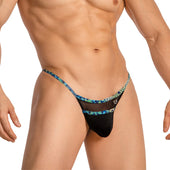
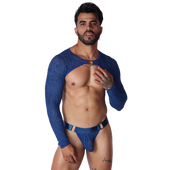
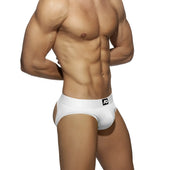
DealByEthan.gay's meistverkaufte Kollektion repräsentiert die Konvergenz von proportionsbewusstem Design und erstklassiger Stoffauswahl und bietet grundlegende Stücke, die für unterschiedliche Körperarchitekturen entwickelt wurden. Jeder Artikel in dieser sorgfältig kuratierten Auswahl zeigt, wie überlegene Konstruktion und Materialwahl das Rätselraten bei der Erzielung ausgewogener Proportionen eliminieren – die Kleidungsstücke selbst leiten Ihre Silhouette, anstatt gegen sie anzukämpfen.
Diese Stücke zeigen, was passiert, wenn die Designphilosophie die Würdigung des Körpers über die Korrektur des Körpers stellt. Die Kollektion umfasst Schnitte, die betonen, anstatt zu verdecken, Stoffe, die sich Ihrem natürlichen Rhythmus anpassen, anstatt ihn einzuschränken, und Silhouetten, die die schöne Vielfalt männlicher Formen anerkennen. Von architektonischen Basics bis hin zu Statement-Essentials bietet diese Auswahl die Bausteine für eine Garderobe, die stets exzellente Proportionen liefert.
Stoffkunde: Materialeigenschaften, die Passform und Funktion verändern
Die Stoffauswahl bestimmt nicht nur die ästhetische Anziehungskraft, sondern auch die funktionale Leistung – wie ein Kleidungsstück auf Bewegung reagiert, seine Struktur während des Tragens beibehält und wie es im Laufe der Zeit altert. Die wertvollsten Herrenmode-Tipps zu Textilien konzentrieren sich auf intrinsische Materialeigenschaften statt auf oberflächliche Texturvorlieben. Das Verständnis von Fasergehalt, Webstruktur und Veredelungsbehandlungen ermöglicht es Ihnen, vorherzusagen, wie sich ein Stück verhalten wird, bevor Sie investieren.
Naturfasern versus synthetische Innovationen
Naturfasern – Baumwolle, Leinen, Seide, Wolle – bieten Atmungsaktivität und taktilen Luxus, den synthetische Stoffe historisch nur schwer nachbilden konnten. Die feuchtigkeitsableitenden Eigenschaften und die Weichheit der Baumwolle auf der Haut machen sie zu einem Grundnahrungsmittel für Unterwäsche und Hemden, obwohl sie ohne Beimischung an Elastizität mangelt. Leinen bietet eine unvergleichliche Wärmeregulierung und die begehrte Used-Optik, obwohl es stark knittert (was manche eher als Merkmal denn als Mangel betrachten). Wolle bietet Temperaturregulierung, natürliche Dehnbarkeit und Knitterfestigkeit, um die synthetische Alternativen beneidet werden.
Moderne technische Synthetikfasern wie fortschrittliche Polyamide und entwickelte Elasthane erreichen heute bemerkenswerte Leistungsdaten – überlegenes Feuchtigkeitsmanagement, Vier-Wege-Stretch und Haltbarkeit, die Naturfasern nicht erreichen können. Der Schlüssel liegt im Verständnis der Anwendung: Technische Stoffe brillieren bei Aktivbekleidung und Performance-Kontexten, während Naturfasern in Luxus- und formellen Umgebungen dominieren, wo taktile Qualität und visuelle Raffinesse am wichtigsten sind.
Hochwertige Kleidungsstücke zeichnen sich zunehmend durch intelligente Mischungen aus, die die Stärken jeder Faser nutzen. Eine Baumwoll-Modal-Mischung kombiniert die Vertrautheit von Baumwolle mit dem seidigen Fall und der erhöhten Haltbarkeit von Modal. Merino-Nylon-Kombinationen verbinden die Temperaturregulierung von Wolle mit der Abriebfestigkeit von Nylon. Dies sind keine Kompromisse, sondern Optimierungen – entwickelte Textilien, die Einzelfaser-Alternativen übertreffen.
Webart, Gewicht und Falldynamik
Gleicher Fasergehalt führt zu drastisch unterschiedlichen Ergebnissen, je nach Webstruktur und Stoffgewicht. Eine Köperbindung erzeugt diagonale Rippen, die visuelle Textur und Knitterresistenz hinzufügen, während eine Leinwandbindung eine klare Glätte bietet, ideal für formelle Kontexte. Jersey-Strick bietet Stretch und Rücksprung für körperbetonte Stücke, während gewebte Konstruktionen Struktur für maßgeschneiderte Anwendungen beibehalten.
Das Stoffgewicht – gemessen in Gramm pro Quadratmeter (GSM) oder Unzen pro Quadratyard – bestimmt die saisonale Eignung und das visuelle Gewicht. Leichte Hemden (80-120 GSM) bieten Transparenz und Luftigkeit für warme Klimazonen, während mittelschwere Optionen (120-180 GSM) ganzjährige Vielseitigkeit bieten. Schwere Materialien (200+ GSM) bieten Kälteschutz und einen substanziellen Fall, der Luxus ausstrahlt.
Der Fall beschreibt, wie ein Stoff fällt und sich bewegt – steife Materialien halten sich vom Körper fern und schaffen architektonisches Volumen, während fließende Stoffe den Körperkonturen folgen und die darunterliegende Form enthüllen. Keines ist überlegen; beide dienen unterschiedlichen ästhetischen Zwecken. Das Verständnis, welche Falldynamik Ihren Proportionszielen und der beabsichtigten Funktion des Kleidungsstücks entspricht, verhindert Enttäuschungen und Rücksendungen.
Das Santorini Leinenhemd: Synergie von Proportion und Stoff
Das Santorini Leinenhemd ist ein Beispiel dafür, wie die Auswahl hochwertiger Stoffe Proportionsprobleme löst und gleichzeitig eine gehobene ästhetische Wirkung erzielt. Hergestellt aus europäischem Leinen mit sorgfältiger Berücksichtigung von Webdichte und Veredelung, zeigt dieses Stück, wie Materialintelligenz direkt zu überlegener Leistung am Körper und visuellem Gleichgewicht führt.
Die natürliche Steifigkeit von Leinen sorgt für eine Struktur, die die Schulterlinien beibehält und das Zusammenfallen des Stoffes verhindert, das minderwertige Hemden plagt, wodurch durchweg gleichmäßige Proportionen gewährleistet werden. Die inhärente Textur der Faser verleiht visuelle Dimension ohne aufzutragen, ideal, um Definition im Oberkörper zu schaffen, ohne Gewicht hinzuzufügen. Gleichzeitig sorgen die außergewöhnliche Atmungsaktivität und das Feuchtigkeitsmanagement von Leinen dafür, dass Komfort den Stil nicht beeinträchtigt – der Stoff bewegt sich mit Ihnen, fällt elegant und entwickelt jene begehrte Patina, die Qualität und Absicht signalisiert.
Der Schnitt balanciert eine zeitgemäße Silhouette mit proportionaler Flexibilität – Ärmellänge und Körperweite sind so kalibriert, dass sie verschiedene Körperformen ergänzen, während die Saumlänge an dem optimalen Proportionspunkt für sowohl eingesteckten als auch nicht eingesteckten Stil liegt. Diese Vielseitigkeit eliminiert die falsche Wahl zwischen Komfort und Raffinesse und bietet ein Grundelement, das mühelos zwischen verschiedenen Kontexten wechselt, während die Proportionsintegrität gewahrt bleibt.
Beherrschung von Skala und visueller Gewichtsverteilung
Unter Skala versteht man das Größenverhältnis zwischen den Elementen eines Kleidungsstücks – Kragenbreite, Reversbreite, Taschenmaße, Mustergröße – und wie diese sich auf Ihren physischen Rahmen beziehen. Die richtige Skala schafft visuelle Kohärenz; eine falsche Skala erzeugt jene undefinierbare „falsche“ Qualität, die ansonsten solide Outfits untergräbt. Dies ist einer der am meisten übersehenen, aber wirkungsvollsten Herrenmode-Tipps für ein raffiniertes Erscheinungsbild.
Größere Rahmen tragen großformatigere Details erfolgreich – breitere Revers, größere Kragenweiten, kräftigere Muster –, während kleinere Rahmen mit proportional verfeinerten Details bessere Ergebnisse erzielen. Ein breit gebauter Mensch kann einen Breitcord oder ein großkariertes Muster tragen, das jemanden mit schmalerer Statur überwältigen würde. Umgekehrt können zarte Details wie schmale Krawatten oder feine Nadelstreifen, die an kleineren Rahmen scharf aussehen, an substanzielleren Körpern zögerlich wirken.
Visuelles Gewicht unterscheidet sich vom tatsächlichen Stoffgewicht – es beschreibt, wie viel Aufmerksamkeit ein Kleidungsstück innerhalb Ihres Gesamtbildes auf sich zieht. Dunkle Farben, kräftige Muster und strukturierte Stoffe haben mehr visuelles Gewicht als helle Töne, minimale Muster und glatte Oberflächen. Die strategische Verteilung des visuellen Gewichts schafft Balance: Die Kombination eines Statement-Stücks mit dezenten Begleitern verhindert visuelles Chaos und hält gleichzeitig das Interesse aufrecht.
Prinzipien der Musterproportion
Die Größe des Musters muss sowohl mit den Proportionen Ihres Körpers als auch mit der Größe des Kleidungsstücks harmonieren. Kleine, dichte Muster wie Mikrokaros oder feine Streifen wirken aus der Ferne wie strukturierte Unifarben und fügen eine subtile Dimension ohne Fragmentierung hinzu. Mittelgroße Muster wie Standard-Gingham oder moderate Streifen schaffen definierte visuelle Zonen, die je nach Platzierung Bereiche betonen oder abschwächen können. Großformatige Muster setzen kühne Statements, erfordern aber sorgfältige Überlegung – sie können kleinere Rahmen überwältigen oder unvorteilhafte Schwerpunkte schaffen, wenn sie schlecht positioniert sind.
Horizontale Muster betonen die Breite, vertikale Muster suggerieren Höhe und diagonale Muster erzeugen dynamische Energie. Dies sind keine absoluten Regeln, sondern Tendenzen, die strategisch genutzt werden können. Wenn Sie einen kürzeren Oberkörper haben, erzeugen vertikale Elemente (Nadelstreifen, vertikale Nähte, verlängerte Knopfleisten) die Illusion einer Verlängerung. Breitere Körper profitieren von vertikalen Elementen, die die Breite unterbrechen, während schmalere Rahmen horizontale Details integrieren können, die visuelle Breite hinzufügen.
Intelligentes Layering: Proportionale Komplexität ohne Chaos
Layering vervielfacht die Proportionen – jedes zusätzliche Kleidungsstück bringt neue Längen, Volumen und visuelle Unterbrechungen mit sich, die entweder eine kohärente Komplexität aufbauen oder in unordentliche Verwirrung abdriften. Das Grundprinzip: Jede Schicht sollte teilweise sichtbar bleiben und bewusste Einblicke schaffen, anstatt eine vollständige Verdeckung. Dies erfordert eine Planung der Längenbeziehungen, bevor Sie sich anziehen.
Eine erfolgreiche Dreierkombination könnte eine eng anliegende Basisschicht, ein mittellanges Overshirt und eine Außenschicht umfassen, die leicht über das mittlere Stück hinausragt. Dies erzeugt einen visuellen Rhythmus – kurz, mittel, lang – den das Auge als bewusst und nicht als zufällig verarbeitet. Vermeiden Sie Kombinationen gleicher Länge, die visuelle Blöcke oder ungeschickte teilweise Enthüllungen erzeugen, die eher auf eine schlechte Passform als auf ein beabsichtigtes Styling hindeuten.
Der Stoffgewicht-Verlauf spielt im Layering-Kontext eine enorme Rolle. Die innerste Schicht sollte am leichtesten sein, die mittleren Schichten mittelschwer und die äußeren Schichten am schwersten. Diese praktische Überlegung verhindert eine Volumenansammlung und stellt sicher, dass jede Schicht unterscheidbar bleibt, anstatt zu einer undifferenzierten Masse zu komprimieren. Es ehrt auch die natürliche Art und Weise, wie Kleidungsstücke geschichtet werden – der Versuch, einen schweren Strick unter ein leichtes Hemd zu zwängen, führt zu Faltenwurf und Proportionenverzerrung.
Übergangsstücke, die Jahreszeiten und Stile überbrücken
Übergangskleidung – leichte Jacken, Overshirts, vielseitige Strickwaren – bietet Flexibilität beim Layering und bewahrt die Proportionalität bei verschiedenen Kombinationen. Diese Teile zeichnen sich typischerweise durch mittelschwere Stoffe und entspannte, aber strukturierte Schnitte aus, die das Layering darunter ermöglichen, ohne im Alleingang überdimensioniert zu wirken.
Die besten Übergangsstücke demonstrieren Stoffintelligenz durch ihre Materialwahl: dicht gewebte Baumwolle, die Wind abhält ohne aufzutragen, technische Mischungen, die die Temperatur regulieren, oder Feinstrick, der Wärme ohne Volumen spendet. Diese Materialien ermöglichen Proportionskonsistenz, egal ob Sie das Stück allein oder als Teil eines Layering-Ensembles tragen, und machen ein Hochstufen der Größe (was die Proportionen zerstört) überflüssig, um Unterziehschichten aufzunehmen.
Farbtheorie und Proportionswahrnehmung
Farbwahlen beeinflussen die wahrgenommenen Proportionen dramatisch durch grundlegende optische Prinzipien – dunkle Farben treten zurück, helle Farben treten hervor, und Kombinationen mit hohem Kontrast erzeugen scharfe Trennungen. Strategischer Farbeinsatz ermöglicht es Ihnen, Stärken zu betonen und Bedenken zu de-betonen, ohne die tatsächlichen Kleidungsstückproportionen zu ändern. Dies stellt einige der unmittelbar anwendbarsten Herrenmode-Tipps für eine sofortige visuelle Verbesserung dar.
Monochromes Kleiden – variierende Farbtöne innerhalb einer einzigen Farbfamilie – schafft vertikale Kontinuität, die die Silhouette verlängert und die visuelle Verarbeitung vereinfacht. Dieser Ansatz funktioniert hervorragend für schlanke, anspruchsvolle Präsentationen, bei denen Sie Proportionenharmonie statt kühnen Kontrast wünschen. Tonale Variationen fügen subtile Dimension hinzu, ohne die Gesamtlinie zu fragmentieren.
Umgekehrt zieht eine strategische Platzierung von Kontrasten bewusst die Aufmerksamkeit auf sich. Ein helles Oberteil mit dunklen Unterteilen betont den Oberkörper, während eine Umkehrung dieser Beziehung den Fokus nach unten lenkt. Horizontales Color Blocking an bestimmten Stellen – ein andersfarbiger Saum, ein kontrastierender Bund oder Color-Block-Paneele – erzeugt visuelle Unterbrechungen, die die wahrgenommenen Proportionen anpassen können. Ein kontrastierender Bund, der etwas höher als die anatomische Taille positioniert ist, kann beispielsweise die Illusion längerer Beine erzeugen.
Die raffiniertesten Träger verstehen, dass Farbe keine Dekoration ist – sie ist ein architektonisches Werkzeug, das die Wahrnehmung umformt und die Aufmerksamkeit gemäß einer intentionalen Gestaltung lenkt.
Passform versus Proportion: Das Verständnis des kritischen Unterschieds
Passform beschreibt, wie ein Kleidungsstück an Ihrem Körper anliegt – eng, locker oder irgendwo dazwischen. Proportion beschreibt die visuellen Beziehungen, die durch die Maße eines Kleidungsstücks entstehen, unabhängig von der Passform. Sie können eine perfekte Passform mit katastrophalen Proportionen erreichen oder eine bewusst lockere Passform mit exzellenten Proportionen. Die Verwechslung dieser Konzepte führt zu dem häufigen Fehler, die Größe übermäßig zu verkleinern, in dem Glauben, dass eng schmeichelhaft sei, obwohl es tatsächlich Proportionen verzerrt und die Bewegungsfreiheit einschränkt.
Die zeitgenössische Herrenmode umfasst eine Vielfalt an Passformen – von körperbetonten Schnitten, die den Körperbau feiern, bis hin zu entspannten Silhouetten, die Komfort und Bequemlichkeit in den Vordergrund stellen. Keiner der Ansätze ist von Natur aus überlegen, aber beide erfordern ein Bewusstsein für Proportionen, um erfolgreich umgesetzt zu werden. Eine lockere Passform behält gute Proportionen durch eine bewusste Übergröße in bestimmten Maßen bei, während andere näher am Körper bleiben, wodurch ein gewolltes Volumen entsteht und nicht eine formlose Überfülle.
Der Maßtest: Können Sie sich bequem bewegen, ohne dass der Stoff spannt, und behält das Kleidungsstück beim Bewegen seine vorgesehene Silhouette? Eine richtige Passform ermöglicht die Bewegungsfreiheit Ihres Körpers, während die Designlinien erhalten bleiben. Die Stoffwahl beeinflusst diese Beziehung dramatisch – Stretchstoffe ermöglichen eine engere Passform ohne Einschränkung, während nicht-dehnbare Materialien mehr Spielraum für vergleichbaren Komfort erfordern.
Wann schneidern lassen und was anpassen
Bestimmte Anpassungen verbessern die Proportionen dramatisch, während andere nur geringfügige Erträge liefern. Ärmellänge und Hosenbeinlänge stellen wirksame, kostengünstige Änderungen dar, die eine visuelle Linienkontinuität gewährleisten. Schulteranpassungen an strukturierten Kleidungsstücken erweisen sich als teuer, aber transformativ – schlecht positionierte Schulternähte untergraben jede andere proportionale Überlegung.
Verjüngungen verfeinern die Proportionen, indem sie die Bein- oder Ärmelbreite an Ihren Körperbau anpassen, ohne die grundlegende Passform zu verändern. Eine leichte Verjüngung erzeugt klare Linien, die das Auge vertikal führen, während eine übermäßige Verjüngung kostümhaft wirken oder die Bewegungsfreiheit einschränken kann. Das Ziel: genügend Form, um die Silhouette zu definieren, genügend Weite, um Komfort und Proportionenintegrität zu erhalten.
Stoffpflege und Proportionsbeständigkeit
Hochwertige Stoffe behalten ihre proportionstützenden Eigenschaften nur bei angemessener Pflege. Unsachgemäßes Waschen führt zu Einlaufen, Faserabbau und Formverzerrung, die sorgfältig kalibrierte Proportionen zerstören. Das Verständnis der faserspezifischen Pflegeanforderungen schützt Ihre Investition und stellt sicher, dass Kleidungsstücke über ihre gesamte Lebensdauer hinweg exzellente Proportionen liefern.
Naturfasern bevorzugen im Allgemeinen eine schonendere Behandlung – kühles Wasser, milde Waschmittel, Lufttrocknung –, um die Faserintegrität zu bewahren und dimensionale Veränderungen zu vermeiden. Baumwolle verträgt aggressiveres Waschen, profitiert aber dennoch von moderaten Temperaturen, um ein Einlaufen zu verhindern. Leinen erfordert die Akzeptanz seiner Faltenbildung oder den Einsatz eines Bügeleisens, da die Faserstruktur einem dauerhaften Pressen widersteht. Wolle benötigt minimale Wäsche und profitiert vom Dampfauffrischen zwischen den Tragen.
Synthetische und Mischgewebe vertragen oft Maschinenwäsche, leiden aber unter Hitzeschäden – hohe Trocknertemperaturen können die Faserstruktur dauerhaft verändern, Dehnungseigenschaften zerstören und irreversibles Einlaufen verursachen. Lufttrocknung oder Tumbling bei niedriger Hitze bewahrt die technischen Leistungsmerkmale dieser Materialien.
| Stoffart | Waschtemperatur | Trocknungsmethode | Besondere Hinweise |
|---|---|---|---|
| Baumwolle | Kalt bis warm | Lufttrocknen oder geringe Hitze | Einlaufen zu erwarten; hohe Hitze vermeiden |
| Leinen | Kühl bis warm | Lufttrocknen bevorzugt | Falten akzeptieren oder bügeln |
| Wolle | Kalt, Schonwaschgang | Flach liegend an der Luft trocknen | Minimale Wäsche; zwischen den Tragen mit Dampf auffrischen |
| Seide | Handwäsche kalt oder chemische Reinigung | Lufttrocknen fern von direkter Sonne | Extrem empfindlich; professionelle Reinigung empfohlen |
| Synthetische Mischungen | Kalt | Lufttrocknen oder geringe Hitze | Hitze schädigt die Elastizität dauerhaft |
Saisonale Stoffübergänge und Proportionskonsistenz
Die Aufrechterhaltung der Proportionskonsistenz bei saisonalen Garderobenübergängen erfordert das Verständnis, wie Stoffgewicht und Layering die Silhouette beeinflussen. Der leichte, minimal-lagen-Ansatz des Sommers schafft andere proportionale Herausforderungen als die schwereren, mehrlagigen Anforderungen des Winters, doch Ihre grundlegenden Proportionsprinzipien bleiben konstant – nur die Ausführungsmethoden ändern sich.
Das Anziehen bei warmem Wetter betont atmungsaktive, leichte Stoffe, die visuelle Schwere bei hohen Temperaturen verhindern. Leinen, leichte Baumwolle und technische feuchtigkeitsableitende Mischungen ermöglichen es Ihnen, proportionale Passformen beizubehalten, ohne auf Komfort zu verzichten. Der Schlüssel liegt in der Auswahl von Kleidungsstücken mit genügend Struktur, um die Silhouette trotz minimalem Gewicht zu erhalten – billigere leichte Stoffe haben oft nicht genug Stand und neigen dazu, zu kleben oder in sich zusammenzufallen, anstatt elegant zu fallen.
Wintergarderoben stellen Anforderungen an die Isolierung, die leicht Proportionen zerstören können, wenn sie nicht sorgfältig gemanagt werden. Voluminöse Oberbekleidung, dicke Strickwaren und mehrere Schichten erzeugen Volumen, das kleinere Körper überwältigt oder größeren Körpern unvorteilhafte Masse hinzufügt. Die Lösung: Investieren Sie in technische Isolierung, die Wärme ohne Masse bietet (Daunen, synthetische Füllungen, Merinowolle), und wählen Sie stromlinienförmige Außenschichten mit genügend Platz, um Unterlagen aufzunehmen, ohne übermäßig zu vergrößern.
Stoffgewichtsverlauf im Jahresverlauf
Ein strategischer Verlauf des Stoffgewichts erhält die Proportionsintegrität und passt sich gleichzeitig Temperaturschwankungen an. Frühling und Herbst profitieren von mittelschweren Stoffen (120-180 g/m² für Hemden, 10-14 oz für Hosen), die bequem bei unvorhersehbarem Wetter getragen werden können. Der Sommer erfordert leichtere Gewichte, die die Struktur erhalten – 80-120 g/m² für Hemden, 7-9 oz für Hosen –, während der Winter schwerere Konstruktionen zulässt, ohne kostümhaft zu wirken.
Die proportionale Herausforderung: Schwerere Stoffe erzeugen naturgemäß mehr Volumen und können Ihre Silhouette verzerren, wenn sie nicht entsprechend geschnitten sind. Winterkleidung sollte leicht maßgeschneiderte Schnitte aufweisen, um das Stoffvolumen auszugleichen und die visuellen Proportionen trotz erhöhten Materialgewichts beizubehalten. Umgekehrt können leichte Sommerstoffe leicht entspanntere Schnitte vertragen, ohne formlos zu wirken, da das minimale Materialgewicht eine übermäßige Volumenansammlung verhindert.
Accessoires innerhalb der Proportionsparameter
Accessoires stellen Proportionen im Miniaturformat dar – jedes Element muss sich proportional zu Ihrem Körperbau, Ihrem Outfit und anderen Accessoires anpassen. Gürtelbreite, Gehäusedurchmesser der Uhr, Taschengröße und Schuhproportionen tragen alle zur visuellen Harmonie oder Störung bei. Diese Details mögen geringfügig erscheinen, aber sie vervollständigen oder kompromittieren Ihre sorgfältig konstruierten Proportionen.
Die Gürtelbreite sollte Ihrem Körperbau und dem formellen Kontext entsprechen – breitere Gürtel (1,5-2 Zoll) passen zu legeren Anlässen und größeren Körpern, während schmalere Gürtel (1-1,25 Zoll) für formelle Anlässe und zierlichere Körper geeignet sind. Der Gehäusedurchmesser der Uhr folgt ähnlichen Prinzipien: Übergroße Gehäuse überwältigen kleinere Handgelenke, während winzige Gehäuse an größeren Körpern verschwinden. Ziel ist Präsenz ohne Dominanz – das Accessoire sollte sich nahtlos integrieren, anstatt unverhältnismäßige Aufmerksamkeit zu fordern.
Schuhproportionen beeinflussen die Gesamtsilhouette dramatisch, indem sie Ihre visuelle Basis schaffen. Klobigere Schuhe erden kräftige Staturen und gleichen weite Hosen aus, während schlankere Profile schlankere Silhouetten und schmal zulaufende Hosen ergänzen. Die Proportionsbeziehung erstreckt sich auf die Interaktion zwischen Hose und Schuh – Saumbreite, Hosenbeinöffnung und Schuhprofil müssen harmonieren, um die Kontinuität der Beinlinie zu erhalten.
Häufige Proportionsfehler und sofortige Korrekturen
Selbst modebewusste Menschen tappen in Proportionsfallen, die ansonsten solide Outfits untergraben. Erkennen ermöglicht sofortige Korrektur, wodurch Proportionsfehler durch einfache Anpassungen zu Proportionstriumphen werden. Diese Fehler entstehen typischerweise aus einem Missverständnis, wie Kleidungsstückelemente interagieren, und nicht aus einer schlechten Auswahl einzelner Stücke.
- Zu lange Ärmel, die am Handgelenk Falten werfen, zerstören die Armlinie und wirken schlampig, unabhängig von der Qualität des Kleidungsstücks
- Hosenfalten, die übermäßiges Stoffbündeln am Knöchel erzeugen, unterbrechen die Beinlinie und verkürzen die wahrgenommene Körpergröße
- Zu lange Hemdsäume erzeugen unpassende Proportionen, egal ob sie eingesteckt oder offen getragen werden
- Schulternähte, die über die natürlichen Schulterpunkte hinausgehen, fügen eine unvorteilhafte Breite hinzu und untergraben die Passform
- Das Mischen zu vieler unterschiedlicher Passformen in einem Outfit erzeugt visuelle Verwirrung statt beabsichtigten Kontrasts
- Ignorieren der Leibhöhe in Bezug zur Oberkörperlänge, wodurch ein gestauchter oder verlängerter Oberkörper entsteht
Die schnellste Proportionskorrektur: Zuerst Längenprobleme ansprechen. Die richtige Ärmellänge, Hosenlänge und Hemdlänge verbessern sofort die visuelle Kohärenz, auch wenn andere Elemente unvollkommen bleiben. Diese gut sichtbaren Anpassungen kosten wenig, liefern aber unverhältnismäßig große visuelle Erträge.
Aufbau einer proportionsbewussten Garderobengrundlage
Meisterschaft in Proportionen beginnt mit Grundstücken, die überragende Verarbeitung, angemessene Stoffauswahl und vielseitige Silhouetten aufweisen, die sich an Ihre spezifische Figur anpassen lassen. Diese Essentials bieten die Bausteine für unzählige Kombinationen, während die Proportionsintegrität in verschiedenen Styling-Kontexten gewahrt bleibt. Investitionen in hochwertige Grundlagen zahlen sich durch Langlebigkeit, Konsistenz und reduzierte Entscheidungsermüdung aus.
Beginnen Sie mit neutralen, vielseitigen Stücken aus hochwertigen Stoffen, die die Verarbeitungsqualität unterstreichen – gut geschnittene Hosen aus hochwertiger Wolle oder Baumwolle, strukturierte Hemden aus langstapeliger Baumwolle oder Leinen und grundlegende Strickwaren aus Merinowolle oder hochwertigen Baumwollmischungen. Diese Arbeitspferde zeigen, wie überlegene Materialien und durchdachte Konstruktion Proportionsziele automatisch unterstützen und den Aufwand für polierte Ergebnisse reduzieren.
Wenn Ihre Grundlage gefestigt ist, führen Sie Stücke ein, die Persönlichkeit ausdrücken und gleichzeitig die Proportionsprinzipien respektieren. Statement-Artikel funktionieren, wenn sie Ihre etablierte Silhouette verbessern, anstatt sie zu überwältigen. Auffällige Muster, einzigartige Texturen und avantgardistische Schnitte gelingen, wenn sie durch proportionale Grundlagen geerdet werden, die visuelle Stabilität bieten.
Selbstvertrauen durch Proportionen- und Stoffbeherrschung
Wahres Stilvertrauen entsteht, wenn Sie nicht nur verstehen, was funktioniert, sondern auch warum es funktioniert – wenn Proportionsentscheidungen und Stoffauswahl intuitiv statt ängstlich werden. Dieses Wissen befreit Sie von der Tyrannei der Trends und ermöglicht eine authentische Selbstdarstellung durch Kleidung, die Ihre einzigartige Form feiert, anstatt sich an willkürliche Standards anzupassen.
Die Herrenmode-Tipps, die einen dauerhaften Wert liefern, konzentrieren sich auf grundlegende Prinzipien statt auf flüchtige Trends. Proportionen bleiben konstant, auch wenn sich Silhouetten ändern; Stoffeigenschaften bleiben erhalten, unabhängig von saisonalen Farbwünschen. Die Beherrschung dieser Grundlagen bietet den Rahmen für mutiges Experimentieren, sicher im Wissen, dass Ihre Entscheidungen auf fundierten strukturellen Prinzipien beruhen.
Ihre Garderobe sollte Ihr Selbstvertrauen stärken, nicht untergraben. Wenn Kleidungsstücke richtig sitzen, Ihre Proportionen schmeicheln und sich luxuriös auf Ihrer Haut anfühlen, wird das Anziehen zu einem Akt der Selbstfeier statt der Selbstzweifel. Diese Transformation erfordert Investitionen – in hochwertige Stücke, in das Verständnis der einzigartigen Architektur Ihres Körpers und in das Erlernen des Verhaltens von Stoffen –, liefert aber Gewinne, die in Selbstvertrauen, Präsenz und authentischem Stilausdruck gemessen werden.
DealByEthan.gay fördert diesen Ansatz durch sorgfältig kuratierte Auswahlen, die Körperpositivität, erstklassige Verarbeitung und proportionsbewusstes Design priorisieren. Jedes Stück feiert die wunderschöne Vielfalt männlicher Formen und liefert gleichzeitig die Stoffqualität und architektonische Integrität, die gute Outfits in außergewöhnliche persönliche Präsentationen verwandeln. Denn Sie verdienen Kleidung, die Ihre individuelle Brillanz anerkennt und hervorhebt.


0 Kommentare