

- Why Conventional Underwear Fails the Male Form
- The Biomechanics of Anatomical Pouch Construction
- Material Selection and Stretch Dynamics
- The WildmanT Approach to Big Boy Engineering
- Spotlight: The Stretch Cotton Big Boy Pouch in Gray Black
- Body Positivity Through Inclusive Engineering
- Beyond Binary Sizing
- Performance Benefits Across Contexts
- Aesthetic Considerations in Pouch Design
- Care and Longevity of Engineered Underwear
- Common Questions About Anatomical Pouch Underwear
- How do I determine the right pouch size for my anatomy?
- Will anatomical pouches show through fitted clothing?
- Can pouch underwear accommodate fluctuations in anatomy throughout the day?
- The Future of Men's Underwear Design
- Making the Switch to Anatomical Pouch Underwear
Anatomical pouch underwear men are gravitating toward isn't just a trend—it's a biomechanical revolution in how fabric interacts with the male form. The days of squashing, adjusting, and compromising are over. Modern underwear engineering now honors the natural architecture of your body with three-dimensional pouch construction that lifts, separates, and supports without constriction. This isn't about gimmicks or marketing fluff; it's about understanding that the male anatomy deserves dedicated real estate, thoughtfully designed with panel cuts, strategic seaming, and textile selection that actually respects how bodies move, breathe, and exist throughout a demanding day.
Why Conventional Underwear Fails the Male Form
Traditional underwear design treats the front panel as an afterthought, a flat piece of fabric stretched across complex geometry. The result? Constant readjustment, chafing where fabric bunches, and a perpetual battle between comfort and containment. Most mass-market briefs and trunks employ a single-layer pouch—essentially a glorified pocket sewn into the crotch seam—that collapses under movement, creating friction points and trapping heat against sensitive skin. The fundamental flaw lies in treating three-dimensional anatomy with two-dimensional pattern-making, an approach that prioritizes manufacturing efficiency over physiological reality.
The compression effect of standard underwear creates a microclimate of elevated temperature and moisture accumulation. Scrotal thermoregulation requires ventilation and space, biological necessities that conventional designs actively sabotage. When fabric presses everything against the body, you're not just dealing with discomfort—you're fighting your body's natural cooling mechanisms. This becomes especially problematic during physical activity, extended sitting periods, or warm weather conditions when thermal regulation becomes critical to both comfort and health.
The Biomechanics of Anatomical Pouch Construction
Engineered pouch systems utilize multi-panel architecture to create dimensional space away from the body. Think of it as the difference between a flat map and a globe—the former distorts to represent curves on a plane, while the latter honors the actual shape. Premium anatomical pouches incorporate contoured panels, often three to five separate fabric pieces, that converge at strategic seam lines to form a hammock-like support structure. These panels typically feature different textile weights and stretch properties, with firmer fabric along the base for support and softer, more elastic material at stress points to accommodate movement without binding.
The vertical orientation of quality pouch construction matters immensely. Rather than compressing everything horizontally against the pubic bone, well-designed pouches position anatomy in a natural forward-and-downward stance, mimicking gravitational positioning while adding gentle lift. This reduces skin-on-skin contact, minimizes chafing between the thighs and genitals, and creates air channels that facilitate moisture evaporation. The engineering principle here mirrors athletic cup design—protective space that moves with you rather than against you.
Material Selection and Stretch Dynamics
Not all stretch fabrics perform equally in pouch construction. Premium anatomical underwear employs directional stretch textiles—materials engineered to elongate more along one axis than another. This allows the pouch to expand when you sit or move while maintaining structure and returning to shape when standing. Modal blends, micro-modal cotton composites, and proprietary stretch weaves offer four-way elasticity with shape memory, preventing the dreaded pouch sag that develops after a few hours of wear.
Moisture-wicking properties become paramount in pouch engineering because the created airspace only functions if humidity can escape. Look for fabrics with capillary action—microscopic channel structures within the fiber weave that pull perspiration away from skin and disperse it across a broader surface area for evaporation. This isn't about thick, padded material; rather, it's about intelligent textile architecture at the fiber level that manages the microenvironment between fabric and flesh.
The WildmanT Approach to Big Boy Engineering
WildmanT has built its reputation on refusing to compromise on pouch dimensionality, creating underwear that serves bodies rather than forcing bodies to conform to underwear. The brand's design philosophy centers on generous spatial allocation combined with architectural shaping that prevents excess fabric from becoming sloppy or unflattering. Their collections demonstrate that supportive containment and unrestricted comfort aren't opposing forces—they're complementary goals achieved through thoughtful pattern-making and premium material selection.
Each piece in the WildmanT range undergoes extensive wear-testing across diverse body types, ensuring that "big boy" isn't code for ill-fitting excess but rather precisely calibrated volume where it matters. The construction methodology emphasizes clean lines and body-conscious silhouettes that look intentional and styled, never accidental or baggy. This attention to exterior aesthetics while prioritizing interior functionality represents the intersection of fashion sensibility and ergonomic necessity.
Spotlight: The Stretch Cotton Big Boy Pouch in Gray Black
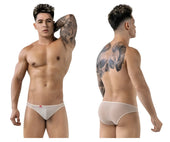
For those seeking the perfect introduction to anatomical pouch engineering, the WildmanT Stretch Cotton Big Boy Pouch in Gray Black exemplifies how technical design can coexist with everyday wearability. This isn't underwear that screams for attention—it's refined, versatile, and built with the kind of quiet confidence that comes from superior construction rather than loud branding or gimmicky details.
The stretch cotton blend delivers that broken-in softness straight out of the package while maintaining enough structural integrity to keep the pouch architecture intact throughout extended wear. The gray and black colorway offers visual depth without being ostentatious, making these equally appropriate under tailored trousers or gym shorts. What sets this piece apart is the pouch depth—noticeably more dimensional than standard offerings without creating bulk or awkward lines. The leg openings feature a slight scoop cut that prevents riding while maintaining coverage, and the waistband sits comfortably at the natural waist without rolling or digging.
Body Positivity Through Inclusive Engineering
The phrase "every body" carries genuine weight when discussing anatomical underwear because pouch needs vary dramatically across the spectrum of human anatomy. Big boy pouch designs acknowledge this diversity not as an aberration requiring accommodation but as the baseline reality that should inform all underwear construction. Whether you're generously endowed, dealing with post-surgical changes, experiencing fluctuations due to medication or health conditions, or simply tired of underwear designed for an imaginary average, purpose-built pouch engineering offers dignity through functionality.
This represents a departure from the one-size-fits-all mentality that has dominated men's basics for decades. Athletic cups come in multiple sizes and shapes because we understand that protection requires proper fit. The same logic applies to daily underwear—the pouch is protective architecture for anatomy that deserves individualized consideration. Celebrating body positivity means creating products that actually work for diverse bodies rather than forcing everyone into the same restrictive template.
Beyond Binary Sizing
Progressive brands now offer pouch dimensions independent of waist size, recognizing that the correlation between these measurements is weak at best. You might wear a 32-inch waist but require significantly more or less pouch volume than someone with identical waist circumference. Separating these variables allows for true customization, ensuring that support and space align with your actual anatomy rather than statistical averages. This granular approach to sizing represents respect for the reality of human variation.
Performance Benefits Across Contexts
Anatomical pouch underwear men rely on extends benefits far beyond basic comfort. Athletes report reduced chafing during high-repetition movements like running or cycling, where traditional underwear creates friction hotspots. Office workers note decreased afternoon discomfort from extended sitting, as proper pouch construction prevents the compression and heat buildup that develops when anatomy is pressed flat against chair surfaces for hours. Even sleep quality can improve when nighttime underwear provides gentle support without constriction, allowing for natural movement and temperature regulation throughout the night.
The thermal regulation aspect deserves particular emphasis. Proper pouch spacing creates micro-ventilation channels that facilitate air circulation against the skin. This becomes critical during summer months, intense workouts, or situations involving layered clothing where heat accumulation compounds quickly. By maintaining a slight gap between fabric and skin, anatomical pouches allow evaporative cooling to function effectively, preventing the swampy discomfort that plagues flat-front designs.
| Design Feature | Functional Benefit | Real-World Impact |
|---|---|---|
| Multi-panel construction | Three-dimensional shaping | Eliminates flatten and compression |
| Contoured seam placement | Strategic support points | Reduces friction and chafing |
| Directional stretch fabric | Movement accommodation | Maintains position during activity |
| Moisture-wicking textiles | Humidity management | Prevents swamp and odor buildup |
| Vertical orientation design | Natural anatomical positioning | Improves comfort and thermal regulation |
Aesthetic Considerations in Pouch Design
A common misconception holds that anatomical pouches create unflattering bulges or obvious protrusion under clothing. Quality engineering achieves the opposite effect—by organizing and positioning anatomy intentionally, well-designed pouches create smoother, more streamlined silhouettes than bunched fabric struggling to contain what it wasn't designed to hold. The key lies in directional shaping that positions volume forward and slightly downward rather than creating horizontal spread across the front panel.
Modern pouch designs incorporate subtle contouring that flatters without exaggerating. The goal isn't to create artificial enhancement or draw attention but rather to allow your natural proportions to sit comfortably and confidently under everything from fitted denim to dress trousers. This represents sophisticated pattern-making—engineering that serves the wearer's comfort and appearance simultaneously rather than sacrificing one for the other.
Care and Longevity of Engineered Underwear
Premium anatomical underwear represents an investment that demands appropriate maintenance to preserve the structural integrity of pouch construction. The multi-panel architecture and specialized elastic components respond poorly to high heat, which degrades elastane fibers and causes premature shape loss. Cold or warm water washing preserves both fabric elasticity and color vibrancy, while tumble drying should be avoided entirely in favor of air drying laid flat or hung by the waistband.
Rotation matters more with engineered underwear than basic cotton briefs. The complex construction benefits from rest periods between wears, allowing elastic fibers to fully recover their original dimensions. Building a rotation of seven to ten pairs ensures each piece gets adequate recovery time, extending functional lifespan significantly. This isn't precious fussiness—it's recognizing that technical garments require thoughtful care to maintain the performance characteristics you purchased them for.
Common Questions About Anatomical Pouch Underwear
How do I determine the right pouch size for my anatomy?
Most quality brands provide pouch dimension specifications beyond standard small-medium-large descriptors. Measure your anatomy in a relaxed state and compare against published pouch depth and width measurements. When in doubt, slightly larger proves more comfortable than constricting, as excess space rarely causes issues while insufficient volume creates immediate discomfort. Some brands offer sample programs allowing you to test different pouch sizes before committing to full purchases.
Will anatomical pouches show through fitted clothing?
Properly engineered pouches create smoother profiles than standard underwear because they organize rather than compress. The key is choosing pouch styles appropriate for your clothing—horizontal fly pouches work better under dress pants, while vertical constructions suit casual wear. Seamless or minimal-seam designs further reduce visibility under thin or light-colored fabrics. The architecture should enhance your silhouette, not broadcast through your wardrobe.
Can pouch underwear accommodate fluctuations in anatomy throughout the day?
Quality stretch fabric and thoughtful pouch geometry accommodate natural variations without becoming restrictive or loose. The directional stretch allows expansion while shape-memory properties ensure the pouch returns to its original dimensions. This dynamic accommodation represents one of the primary advantages of engineered pouches over static, flat-front designs that either compress constantly or provide so much room they shift and bunch.
Anatomical pouch engineering isn't about creating something that wasn't needed—it's about finally addressing a design failure that men have tolerated for far too long. Your body deserves underwear that works with your anatomy, not against it.
The Future of Men's Underwear Design
As body positivity continues reshaping fashion across categories, expect anatomical engineering to become standard rather than specialty. The current wave of innovation in men's underwear mirrors what happened in women's intimate apparel decades ago—the recognition that bodies are diverse, and garments must adapt to this reality rather than forcing conformity. Emerging technologies like 3D body scanning and customized pattern generation may soon allow for truly personalized pouch construction tailored to individual measurements.
Material science continues advancing with new fiber blends offering improved moisture management, antimicrobial properties, and enhanced durability without sacrificing softness. Temperature-regulating textiles that actively cool or warm based on ambient conditions are transitioning from athletic specialty items to everyday underwear applications. These innovations will compound the benefits already offered by current anatomical pouch designs, creating underwear that functions more like performance gear calibrated to your specific physiological needs.
Making the Switch to Anatomical Pouch Underwear
Transitioning from conventional underwear to anatomical pouch designs requires recalibrating your expectations and patience during the adjustment period. The sensation of proper support without compression feels unfamiliar initially—almost disconcertingly spacious after years of restrictive traditional designs. This adaptation typically takes three to five wearing cycles as your body acclimates to the improved positioning and your brain stops sending "something's different" signals.
Start with one or two pairs rather than immediately replacing your entire drawer. This allows you to assess fit, comfort, and performance across different activities and conditions before committing fully. Pay attention to how the pouch performs during various movements—sitting, standing, walking, exercising—and how well it maintains position throughout the day. Quality anatomical underwear should require zero adjustment after the initial morning wear, a stark contrast to conventional designs demanding frequent readjustment.
The investment in anatomical pouch underwear pays dividends in daily comfort, reduced chafing and irritation, improved confidence, and the simple dignity of wearing garments designed for your actual body. This isn't indulgence—it's recognizing that the foundation of your wardrobe should prioritize function and fit with the same attention you give to visible clothing. Your body moves through the world in underwear for more hours than any other garment. Make those hours comfortable.




0 comments