

- The Rise of Architectural Swim Silhouettes
- Bold Minimalism Takes Center Stage
- The Power of the Classic Brief
- Exploring the Full Spectrum of Contemporary Swim
- Color Theory for Coastal Confidence
- Print with Purpose
- Fabric Innovation Beyond Quick-Dry
- The Versatility Mandate
- Hardware and Finishing Details
- Fit Philosophy for 2026
- Care and Longevity
- Frequently Asked Questions
- How do I determine which swimwear silhouette suits my body type?
- What's the actual difference between budget and premium swimwear?
- Can I wear swim briefs if I'm not a competitive swimmer?
- How many swimwear pieces should a well-rounded collection include?
Men's swimwear is entering a radical new chapter in 2026, where sculptural silhouettes, audacious color narratives, and architectural construction are rewriting the rules of beach and poolside dressing. This isn't about following tired resort formulas—it's about commanding attention with pieces that celebrate your physique while pushing the boundaries of what swim fashion can be.
The Rise of Architectural Swim Silhouettes
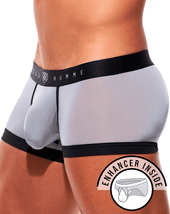
Architectural swim silhouettes are dominating the shoreline this season, transforming traditional swimwear into wearable art that sculpts and defines the male form. These aren't your father's board shorts. We're talking about strategically placed paneling, contrasting fabrications, and engineering that rivals haute couture construction techniques. The emphasis is on how the garment interacts with your body—the way a side panel creates visual length, how a contoured pouch provides both support and shape, and how strategic seaming can accentuate muscle definition without you lifting a single weight.
The technical innovation behind these architectural pieces lies in multi-panel construction. Premium swim brands are utilizing anywhere from seven to twelve individual fabric pieces per garment, each cut on specific grain lines to maximize stretch in some areas while maintaining structure in others. This approach creates a three-dimensional fit that moves with your body rather than against it. The result? Swimwear that feels custom-tailored while looking undeniably fashion-forward.
Bold Minimalism Takes Center Stage
Bold minimalism is proving that less truly is more when executed with precision and confidence. This trend strips away unnecessary embellishments, loud graphics, and dated branding in favor of clean lines, impeccable fit, and statement-making simplicity. Think monochromatic palettes in unexpected hues—burnt saffron, deep charcoal, pristine ivory—elevated by subtle textural details like ribbing, mesh insets, or tonal contrast stitching.
The Power of the Classic Brief
The classic swim brief is experiencing a renaissance among style-conscious individuals who understand that confidence is the ultimate accessory. Brief silhouettes showcase your physique without apology, offering minimal coverage with maximum impact. The 2026 iteration features lower rises, narrower side seams, and contouring that's been refined through advanced body mapping technology.
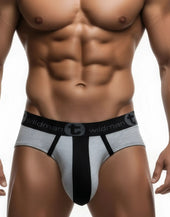
For those seeking the perfect entry point into this trend, the AD Basic Swim Brief represents everything this movement embodies. This piece demonstrates how thoughtful design elevates a foundational garment into something genuinely covetable. The construction focuses on a supportive pouch system that contours naturally, side seams positioned to elongate the leg line, and a fabric blend that maintains opacity when wet—a non-negotiable quality marker that separates premium pieces from budget alternatives.
Exploring the Full Spectrum of Contemporary Swim
Navigating the landscape of men's swimwear trends requires access to a curated selection that balances innovation with wearability. The modern approach to building a swim wardrobe extends beyond purchasing individual pieces—it's about understanding how different silhouettes, fabrics, and construction methods serve distinct aesthetic and functional purposes.
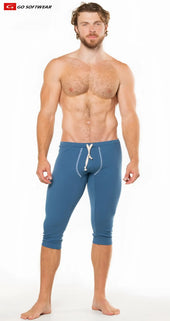
Our complete swimwear collection showcases the breadth of what's possible when design meets craftsmanship. From micro briefs that celebrate body confidence to mid-length options that offer versatility, each piece represents a specific design philosophy. This curated approach eliminates the guesswork, presenting only styles that meet rigorous standards for fabric quality, construction integrity, and contemporary relevance.
Color Theory for Coastal Confidence
Color theory for coastal confidence moves beyond basic primaries into sophisticated territory that considers undertones, saturation levels, and psychological impact. The 2026 palette embraces both ends of the spectrum—deeply saturated jewel tones like emerald, sapphire, and amethyst alongside desaturated naturals like sand, driftwood, and sea foam. These aren't random selections; they're strategic choices that complement varying skin tones while photographing exceptionally well in natural light.
Metallics are making unexpected waves, with rose gold, gunmetal, and champagne finishes appearing on hardware, waistbands, and even woven into fabric itself. These lustrous accents catch light dynamically, creating visual interest that shifts as you move. The key is restraint—a metallic accent band or a single rose gold grommet provides just enough flash without tipping into costume territory.
Print with Purpose
Print with purpose means selecting patterns that enhance rather than overwhelm your frame. Micro-patterns—tiny geometric repeats, subtle texturing, or barely-there tonal variations—create visual interest up close while reading as solid from a distance. This approach offers the best of both worlds: the sophistication of a solid colorway with the complexity that rewards closer inspection.
When bolder prints do appear, they're executed with editorial precision. Think abstract watercolor washes contained within specific panels, ombré effects that transition vertically to create length, or asymmetric pattern placement that draws the eye strategically. The worst offense? All-over loud prints that date quickly and photograph poorly. The 2026 aesthetic favors intentionality over excess.
Fabric Innovation Beyond Quick-Dry
Fabric innovation beyond quick-dry technology is revolutionizing how swimwear performs across multiple dimensions. Yes, rapid moisture evaporation remains essential, but it's now considered baseline rather than premium. The cutting edge involves fabrics with UV-reactive properties that subtly shift hue in direct sunlight, textiles with built-in cooling technologies that lower surface temperature by several degrees, and materials with compression qualities that support without constricting.
The most significant development involves sustainability without compromise. Regenerated nylon derived from ocean waste and pre-consumer fabric scraps now performs identically—sometimes superior—to virgin synthetics. These materials maintain excellent shape retention, resist chlorine degradation, and offer the same luxurious hand-feel that premium swimwear demands. Choosing these options no longer means sacrificing aesthetics for ethics; it means accessing both simultaneously.
| Fabric Technology | Key Benefit | Best For |
|---|---|---|
| Four-way stretch nylon | Superior shape retention and comfort | Active swimming and movement |
| UV-reactive polymers | Color-shifting effects in sunlight | Statement-making poolside looks |
| Regenerated ocean nylon | Sustainable without performance compromise | Conscious consumers seeking premium quality |
| Compression mesh panels | Targeted support and breathability | Athletic builds requiring strategic structure |
The Versatility Mandate
The versatility mandate recognizes that modern swimwear must transition seamlessly between water activities, social settings, and even urban environments. This doesn't mean compromising on swim-specific functionality—it means designing pieces sophisticated enough to pair with an open linen shirt at a beachside restaurant or layer under relaxed trousers for a seaside gallery opening.
This trend particularly favors solid colorways in elevated neutrals and swim shorts with clean, tailored lines that could almost pass for regular shorts when dry. The construction details matter enormously here: covered elastic waistbands rather than exposed drawstrings, internal mesh liners that don't create visible bulk, and pockets designed to lay flat even when wet. These refinements separate convertible swimwear from pieces that look perpetually beach-bound.
Hardware and Finishing Details
Hardware and finishing details serve as the jewelry of swimwear, providing those final touches that signal quality and attention to craft. We're seeing a shift toward minimal but substantial hardware—think sleek aglets tipping drawstrings, logo-engraved grommets in unexpected locations, and adjustable side closures with interlocking mechanisms that function as both fastener and design element.
The finishing techniques receiving attention include:
- Flatlock seaming that lies completely flush against skin, eliminating chafing and creating clean internal construction
- Bonded hems that replace traditional stitching for an invisible finish that won't unravel
- Silicone gripper strips at interior waistbands that keep everything positioned without creating visible lines
- Double-needle topstitching in contrasting thread that traces seam lines like architectural drawings
Fit Philosophy for 2026
Fit philosophy for 2026 centers on body celebration rather than body concealment, with sizing that accommodates diverse physiques without defaulting to shapeless universality. The movement is toward offering multiple inseam lengths within the same style, varied rise options to suit different torso proportions, and pouch configurations designed for different support needs.
The right swimwear doesn't just fit your body—it honors it. Every seam placement, every panel angle, every fabric choice should work in service of making you feel extraordinary, not apologetic.
This philosophy rejects the notion that certain bodies "should" or "shouldn't" wear particular styles. If you have the confidence to wear a micro brief, you have the right body for a micro brief. If you prefer more coverage, that choice deserves the same design innovation and premium construction as briefer options. The democratization of swim fashion means exceptional quality across every silhouette, not tiered construction based on how much fabric is involved.
Care and Longevity
Care and longevity practices ensure your investment pieces maintain their sculptural integrity and vibrant colorways season after season. Premium swimwear demands specific treatment protocols that differ significantly from general activewear maintenance. Rinsing immediately after exposure to chlorine or salt water isn't merely recommended—it's essential for preventing fiber degradation and color fading.
Hand washing in cool water with pH-neutral detergent preserves elastic integrity and fabric hand-feel far better than machine washing, even on delicate cycles. The mechanical agitation and heat fluctuations in standard washers accelerate breakdown of the Lycra fibers that provide shape retention. Air drying away from direct sunlight prevents UV damage that weakens fabric structure and causes colors to bleach unevenly. These practices might seem precious, but they're simply treating quality garments with the respect their construction deserves.
Frequently Asked Questions
How do I determine which swimwear silhouette suits my body type?
Your ideal swimwear silhouette depends less on arbitrary body type categories and more on what makes you feel phenomenal. That said, certain construction elements do create specific visual effects: higher leg openings elongate shorter legs, horizontal paneling can broaden narrower frames, and darker solid colors provide a sleeker line. The most important factor? Trying styles that intrigue you rather than limiting yourself to what conventional wisdom suggests.
What's the actual difference between budget and premium swimwear?
Premium swimwear distinguishes itself through fabric composition, construction methods, and design sophistication. Higher-quality pieces use superior Lycra content for better shape retention, employ more complex pattern making with multiple fitted panels, and feature hardware that won't corrode or tarnish. The fabric itself maintains opacity when wet, resists pilling, and returns to its original shape after each wear—qualities that budget alternatives simply cannot replicate regardless of initial appearance.
Can I wear swim briefs if I'm not a competitive swimmer?
Absolutely—swim briefs exist for anyone who appreciates their aesthetic and functional benefits, regardless of athletic pursuit. The notion that certain styles require specific body types or activities is outdated gatekeeping. Contemporary swim briefs are designed as fashion-forward statements that happen to be swim-functional, not athletic uniforms that civilians shouldn't access. If you're drawn to the silhouette, that's the only qualification needed.
How many swimwear pieces should a well-rounded collection include?
A thoughtfully curated swim collection includes at least three distinct pieces: one conservative option for mixed company or uncertain situations, one statement piece that expresses your aesthetic boldly, and one versatile middle-ground style in a neutral colorway. This trio ensures you're prepared for varying social contexts while allowing for rotation that extends the lifespan of each garment by reducing wear frequency.
The men's swimwear landscape in 2026 rewards those willing to approach beach and poolside dressing with the same intentionality they bring to their everyday wardrobes. This season celebrates individuality, champions quality construction, and refuses to compromise on either aesthetics or functionality. Whether you're drawn to architectural minimalism, bold color narratives, or cutting-edge fabric technologies, the unifying thread is confidence—in your choices, in your body, and in your right to take up space exactly as you are.


0 comments